


Don't ignore the numbness of the legs! Quickly determine which lumbar disc segment is herniated
Oct 20, 2025
Leave a message
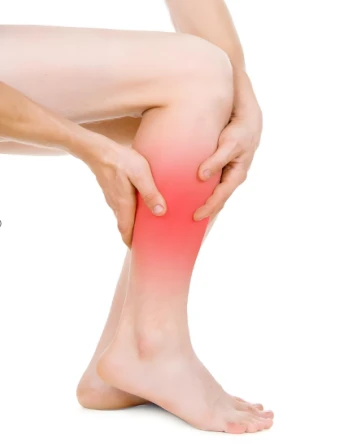
Leg numbness is a common phenomenon, many people think that patience will pass, but sometimes the legs are a dangerous warning sign There are many causes of leg numbness, the most common and easiest to think of is lumbar protrusion.
In addition to causing lumbar pain, it can also cause numbness in different leg parts, why does lumbar protrusion cause leg numbness? What does numbness in different parts of the legs represent? Do you know it? These problems may seem uncommon, but they are the key to our "prescribing the right medicine"!
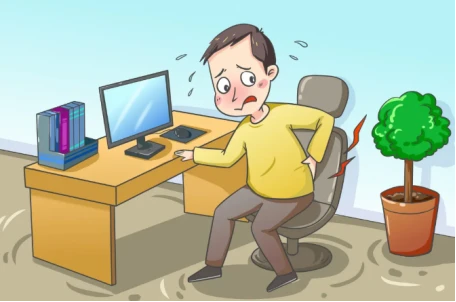
Why does lumbar disc herniation cause leg numbness?
The core reason why lumbar spine disease causes lower back pain and leg numbness is that the nerves around the lumbar spine are compressed. There are intervertebral discs between our lumbar vertebrae, and when the disc herniates and bone hyperplasia, it will squeeze the nerves emanating from the lumbar spine, which connect the lower limbs, and once compressed, there will be problems with signal conduction, which will cause symptoms such as leg numbness and pain. Of course, not all low back pain and leg numbness are lumbar spine disease, and there are several common causes that need to be distinguished: for example, piriformis syndrome, which is easy for people who sit for a long time and have bent legs, which will cause hip pain and leg numbness, but the pain is mostly concentrated in the buttocks, which is different from the "low back pain that appears first" in lumbar spine disease; There are also lower extremity vascular problems, such as varicose veins and blood clots, which may cause numbness and cold in the legs, but there is usually no lower back pain, and there will be obvious soreness when pressing on the blood vessels in the legs.
Numbness in different parts of the legs represents different lumbar disc herniation?
Lumbar 2/3 disc herniation: manifested as pain and numbness in the posterior buttocks and anterior and outer sides of the thighs; Lumbar 3/4 disc herniation: manifested in pain and numbness from the buttocks to the anterior and outer thighs, as well as the inner parts of the thighs and calves; 4/5 intervertebral disc herniation in the lumbar region: manifested as pain and numbness on the outside of the entire thigh, the outer side of the calf, and the outside of the foot, which is the pain and numbness of the little finger and small nameless toe; Lumbar 5 sacral 1 intervertebral disc herniation: manifests as the entire thigh, the back and outside of the calf, from the buttocks to the outside and back of the calf, and the heel and the outer part of the foot will be brought at the same time.
When leg numbness occurs, can it be relieved in this way?
1.Focus on massaging the waist and eyes, also known as the lumbar socket, the specific technique is to rub the hands until they are hot, and then naturally push and massage the sacrum from top to bottom, repeating about fifty times, two rounds a day.
2.Massage Chengshan and Weizhong acupoints On the basis of massaging the waist and eyes, you can also massage your own Chengshan and Weizhong acupoints.
To eliminate leg numbness, first of all, prevent lumbar disc herniation?
Maintain a correct standing and sitting posture, keep your head up and chest without hunching when standing, and choose a chair with a high neck rest and armrests when sitting. Avoid sitting for long periods of time. Do not stay in one position for a certain period of time. Sitting for a long time is also under several times pressure, which damages the internal organs and the metabolism of the body, so try to get up and move around after sitting for a long time to avoid causing lumbar disc herniation. Choose the right bed for sitting and lying down. Too soft or too hard can cause discomfort in the lower back.

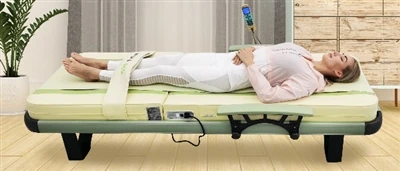
Our jade massage bed is your best choose, scientifically designed, using massage rollers made of natural jade, perfectly fit the human spine, and have a significant effect on improving chronic spinal diseases.