


Knee pads are protective gear designed to cushion and protect the knees from injuries or discomfort when engaging in activities that require kneeling. They are typically constructed with a layer of padding, often made of foam or gel, to absorb impact and distribute pressure evenly across the knee. The outer shell of knee pads can be made from various materials such as leather, plastic, or fabric, providing durability and resistance to wear and tear. Knee pads are widely used in a variety of settings, including construction work, gardening, sports like football or hockey, and even for domestic chores like floor cleaning, where kneeling is frequently necessary. By reducing friction and pressure on the knees, knee pads help prevent injuries such as scrapes, bruises, and long-term joint damage, making them an essential piece of safety equipment for many individuals.
Advantages of Knee Pads
Prophylactic benefits
A knee can become injured when it is forcibly twisted or sharply bent, causing tearing of the ligaments that hold the knee together. A brace prevents injury by keeping the knee from overextending and compresses the tissue around it. A slip-on brace can be used for people engaging in everyday activities. For those involved in more vigorous activities like sports, a bulkier brace May be needed. For example, volleyball players May use a knee brace to provide cushioning while diving for the ball. Basketball players May wear knee supports as prevention for cramping and sprains. Consult your doctor or physiotherapist to determine the right brace for you.
Rehabilitative and functional
A knee brace is usually recommended during the rehabilitation phase after injury or post-surgery. Wearing a brace can encourage tissue healing, as knees typically have a longer recovery period. To avoid further damage, the use of a knee brace can provide support and help to control movement in the joint.
Unloads weight
A knee brace can alleviate pain associated with arthritis, osteoarthritis, and other associated issues. These conditions become more common as we age. A knee brace unloads stress from the affected area and refers the pressure to the thigh, creating better mobility in the knee joint while reducing stiffness.
Any active person is susceptible of getting a twist, sprain, or serious injury in the knee. Appropriate braces and support gear are available to help prevent further injury and speed the recovery of damaged ligaments.
Why Choose Us
Company
Kanghe Health (Group) Co., Ltd. is an international health equipment industry group integrating R&D, production and sales, with technological innovation as the leading factor, and has a production base of more than 50,000 square meters.
Provide OEM and ODM services
Our team of experts will work closely with you to understand your needs and will provide tailor-made solutions to meet your expectations.
Extensive business
It owns health brands such as Health Shoppe, Bawell, Oxywell, Yinian Elderly Care, and its business network covers many countries and regions in North America, South America, Asia, Europe, Africa, etc.
Certification
The product has passed CE certification, obtained medical device registration from the State Food and Drug Administration, and passed ISO9001 and ISO13485 quality system certification..
Buckle or quick-release knee pads feature mechanisms making it quick easy to put on and remove and are indicated for workers whose job tasks require transitioning between kneeling and standing. Strap-on knee pads are secured around the leg by connecting them with straps. While providing protection, they also are versatile and flexible, allowing the construction worker to adjust the fit as needed. Those doing roofing and plumbing tasks may prefer these knee pads.
Soft foam knee pads are constructed with lightweight foam or gel padding encased in a durable fabric or plastic shell. They are considered ideal cushioning for short periods of kneeling, such as electricians and painters doing light to moderate-duty tasks.
Gel-filled knee pads are designed with a gel cushion that evenly distributes pressure across the knee to reduce discomfort and fatigue during extended use. They offer more support and comfort in contract to foam pads and are frequently chosen by those doing masonry, floor installation and tiling.
Hard shell knee pads are designed with a rigid outer shell crafted of rubber or plastic. They are designed for heavy-duty construction work where there is a risk of injury due to the presence of sharp objects or rough surfaces. While the rigid shell provides optimal protection, it can be less comfortable for extended periods of kneeling.
Capless knee pads are lightweight pads worn under or over pants and provide moderate protection for tasks requiring frequent kneeling, but not for prolonged time periods. They are commonly worn when job tasks require mobility and flexibility.
Slip-on knee pads are designed to be worn like sock with no straps. They are easy to put on and remove and are suitable for landscaping tasks.

Clean knee pads minimize the risk of skin irritations and infections. Grime, dirt, and sweat build up rapidly in the pads'porous materials, forming a conducive environment for bacterial growth. Repeated skin contact with breeding grounds can lead to conditions such as folliculitis and dermatitis. According to Mayo Clinic, such conditions can lead to itchiness, bumps, blisters and other unsavory conditions. Maintaining clean knee pads guarantees a decrease in these health risks.
Maintaining the integrity of the pad's materials ranks high on the list of the importance of keeping knee pads clean. Constant exposure to sweat and moisture degrades foam and fabrics over time, reducing their protective capabilities. This results in knee pads being unable to provide the necessary cushioning and support during extreme movements, increasing the likelihood of injuries. Regular washing of pads prevents such degradation, preserving the protective properties of the pads.
On the hygiene aspect, who enjoys a putrid smell? The natural smell of sweat strengthens when left to rot in your knee pads. Over time, this scent becomes off-putting and unpleasant. Regular cleaning prevents this build-up and keeps your gear smelling fresh.
On the flip side, clean knee pads enhance comfort during use. Prolonged use accumulates dirt, grime, sweat, and other substances that can turn the inside of your pads into a rough, discomforting surface. Regular cleaning preserves the soft, comfortable interior of the knee pads, ensuring pleasant performances during games or workouts.
Finally, there's a psychological element to consider. Using clean, well-maintained equipment can boost your confidence and productivity. You'll feel better about yourself knowing you're not just looking after your safety but also the quality and longevity of your equipment.
Clean knee pads impact comfort, hygiene, safety, and overall performance. Regular cleaning shouldn't be an afterthought; it's essential to using knee pads. By keeping your knee pads clean, you're ensuring their longevity and enhancing your comfort and safety during sports activities, giving you peace of mind.
While knee guards and pads aim to protect the knees, their primary functions differ. Knee guards are mainly used for support and stabilization. They are constructed with materials that provide compression and support to the knee joint, which can help manage conditions like arthritis, tendinitis, and mild sprains.
Knee pads, on the other hand, are designed to protect the knees from physical injuries such as cuts, bruises, and fractures during activities with a high risk of falling or direct impact to the knee, like skateboarding or volleyball. Knee pads are usually padded and offer physical barrier protection, whereas knee guards focus on joint support.
But apart from the difference, the more important question is when do you wear a knee pad, and when do you wear a knee guard? Knee pads are primarily designed for activities with a high risk of direct impact on the knees. They offer cushioning and protect against scrapes, cuts, and bruises. Here are some situations where knee pads are most appropriate:
Sports with frequent falls or contact: Sports like volleyball, skateboarding, and rollerblading, where falls are common, necessitate knee pads to protect against bruises and abrasions.
Occupations requiring kneeling: Jobs such as construction, gardening, or flooring, where you need to kneel frequently, call for knee pads to cushion and protect the knee joints from hard surfaces.
On the other hand, knee guards are used for support and stabilization, making them suitable for activities that strain the knee joint or when recovering from knee-related injuries. They are beneficial in the following scenarios:
During recovery from knee injuries: If you're recovering from a knee injury like a sprain or mild tear, a knee guard can provide the necessary support to facilitate healing.
Participation in high-impact sports: For sports that place significant stress on the knees (such as running, basketball, or tennis), knee guards can offer the support needed to prevent injury.
Chronic knee conditions: Individuals with arthritis or tendonitis may wear knee guards to alleviate pain and provide stability during daily activities.
There are other kinds of knee support aids, such as knee braces or sports tape. These are also additional options for knee support and protection. However, each serves specific purposes and offers distinct advantages depending on the situation. Knee braces, for instance, are often used to keep the knee in place after surgery. Sports tape is used by athletes for mild support, especially in sports where flexibility and range of motion are required.
Common Applications for Knee Pads
Construction and carpentry
In construction and carpentry, knee pads are indispensable for workers who frequently kneel or crawl on hard surfaces. They protect against impacts from tools or materials and reduce strain on the knees during tasks such as framing, drywall installation, or flooring.
01
Gardening and landscaping
Gardeners and landscapers often spend hours kneeling or crouching while tending to plants, weeding, or landscaping. Knee pads shield their knees from soil, rocks, and rough terrain, allowing for more comfortable and extended periods of work in the garden or yard.
02
Flooring installation
Professionals in the flooring industry, such as carpet installers, tile setters, and hardwood floor specialists, rely on knee pads to cushion their knees during installation processes. Knee pads help prevent discomfort and fatigue, enabling precise and efficient workmanship.
03
Mechanical and automotive repair
Mechanics and automotive technicians frequently work in confined spaces and on hard surfaces, necessitating the use of knee pads to protect against injuries from tools, parts, and machinery. Knee pads enhance safety and productivity during repairs and maintenance tasks.
04
Sports and recreation
Athletes and sports enthusiasts utilize knee pads in various recreational activities and competitive sports. Whether it's volleyball, basketball, skateboarding, or rollerblading, knee pads offer crucial protection against falls and impacts, reducing the risk of knee injuries during play.
05
Padding materials
When it comes to knee pads, one of the most important aspects is the padding on the inner lining of them. This padding will be a large part of what makes a knee pad comfortable and protective or otherwise, and there are a few materials that dominate the industry.
Foam
Foam padding is one of the most common forms used in knee pads, being known as a comfortable and breathable padding material. However, foam isn’t the most durable material and can suffer from pretty significant wear and tear over time.
Gel
Gels and double gels are very popular amongst manufacturers and buyers these days, offering a more long-lasting, flexible level of padding than foam alone. Gel padding is often used in conjunction with foam for the best possible effect.
Rubber
Rubber and silicone knee pads are fairly common, but in these cases, the material May be used over the entirety of the pad, rather than just the internal lining. Silicone and rubber knee pads can be comfortable and ergonomic, but not the most protective.
Capping materials
Beyond the inner lining and padding used in knee pads, the material used in the exterior cap is also a key to how effective a knee pad will be. This will be the first line of defense against the surface you’re kneeling on and anything that May sit on top of it.
Soft caps
Soft capped knee pads will feature caps made from foam, rubber, and soft materials similar to those found in the knee pad’s inner padding. Soft capped knee pads are comfy and practical, especially for gardening and household tasks, but not generally used in construction.
Hard caps
Hard capped knee pads are generally made of either carbon fiber or some sort of plastic, such as polyvinyl. These caps are more commonly found on construction sites, being used for harder surfaces like rooves and concrete floors for their added protective value.
Shape
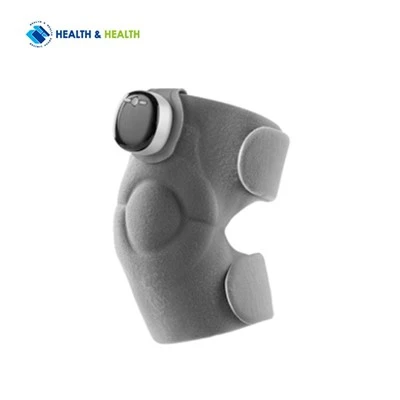
A good knee brace not only covers the center of the knee, but also fits snugly around the knee to protect the sides of the knee. Look for knee braces that are slightly curved and can stand up on the sides.
Safety
How do you keep your knee brace in place? Look for knee braces that can be properly secured in the knee brace pockets to increase the level of protection.
Flexibility
A flexible knee brace can make you more comfortable while working because it can adjust to your position. Just make sure it still provides the level of protection you need.
Ventilation
Working in a knee brace can be hot, so ventilation channels can have a big impact on your working comfort.
Shock absorption
Different materials react differently to impact. Innovative materials like d3o are designed to remain flexible as you walk, but stiffen when impacted. This allows the material to absorb most of the impact, not your knee.
Durability
Some materials are more durable than others. Ultra-light foams like pe May not be as durable as sturdy materials like polyolefins.

Company Introduction
Health and Health(Group)Co., Ltd. (here in after referred to as the " Health and Health ") which integrates research and development, production and sales, is a technology innovation oriented international health equipment Industry Group. With the headquarters located in Haizhu Guangzhou, China, the production base is located in Nansha Guangzhou, we have more than 50,000 Square meters production facilities, OEM and ODM service, while our factory is just 45min drive from our headquater, the headquater office is just 10min drive from the Canton Fair Exhibition Center, which is located in Star River Center, Haizhu district, Guangzhou.
It includes of health brands such as Health Shoppe, Bawell, Oxywell & Yinian Elderly Care. The business networks cover multiple countries and regions over North America, South America, Asia, Europe, and Africa.


Certification

FAQ
As one of the leading knee pads manufacturers and suppliers in China, we warmly welcome you to wholesale discount knee pads from our factory. All customized products are with high quality and competitive price.