


Diseases in the Spine, Harm to the Organs
Dec 02, 2025
Leave a message
In the human nervous system, the central nervous system includes the brain and spinal cord, while the peripheral nervous system includes 12 pairs of cranial nerves and 31 pairs of spinal nerves.
If the spine becomes diseased (misaligned), it not only compresses the 31 pairs of spinal nerve roots, causing pain in the neck, shoulders, back, waist, and legs, as well as numbness and pain in the limbs, but it can also affect the conduction of autonomic nerves, thereby triggering internal organ diseases. These are referred to as spine-related diseases.
Currently, over a hundred diseases have been found to be related to spinal mechanical balance. These diseases involve various systems in the human body, including the nervous, respiratory, digestive, urinary, and endocrine systems. With ongoing research and accumulated knowledge, chiropractic medicine has rapidly developed both domestically and internationally. This discipline studies the relationship between the spine and diseases from the perspective of spinal mechanics and is an interdisciplinary field related to internal medicine, surgery, neurology, gynecology, pediatrics, ophthalmology, dermatology, ENT, and endocrinology.
Modern medical research also confirms that many diseases are related to the compression of spinal nerve roots and surrounding blood vessels!
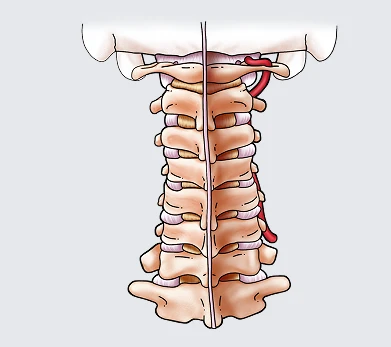
Diseases Corresponding to the Cervical Spine
• C1: Head blood supply, pituitary gland, scalp, brain, facial bones, inner and middle ear, sympathetic nervous system. Possible symptoms: Headache, nervousness, insomnia, cold head, hypertension, amnesia, chronic fatigue, dizziness, migraine, blurred vision, facial paralysis, low-grade fever.
• C2: Ears, optic nerve, auditory nerve, frontal sinuses, mastoid bone, tongue, forehead. Possible symptoms: Frontal sinusitis, allergies, tinnitus, ear pain, dizziness, vision loss, strabismus, deafness, migraine, chest tightness, tachycardia, urinary abnormalities, hypertension, insomnia.
• C3: Cheeks, outer ear, facial bones, teeth, trigeminal nerve. Possible diseases: Trigeminal neuralgia, neuritis, acne, eczema, throat foreign body sensation, chest tightness, neck pain, toothache, hyperthyroidism.
• C4: Nose, lips, mouth, pharynx. Possible diseases: Runny nose, hearing loss, enlarged tonsils, throat foreign body sensation, chest tightness, shoulder pain, toothache, hiccups, hyperthyroidism, deafness.
• C5: Vocal cords, glands, throat. Possible diseases: Laryngitis, hoarseness, sore throat, dizziness, vision loss, tachycardia or bradycardia, upper arm pain or lower limb weakness, allergic rhinitis, neurasthenia.
• C6: Neck muscles, shoulders, tonsils. Possible diseases: Upper limb pain, chronic cough, shoulder and neck pain, arrhythmia.
• C7: Thyroid gland, shoulder joint, elbow joint. Possible diseases: Synovitis, chills, thyroid diseases, low blood pressure, arrhythmia, numbness and pain in the posterior and ulnar sides of the upper limb.
Diseases Corresponding to the Thoracic Spine
• T1: Forearms, including hands, wrists, and fingers, esophagus, trachea. Possible diseases: Asthma, cough, dyspnea, shortness of breath, pain in hands and forearms, pain in the posterior upper arm, pain in the upper left chest, palpitations.
• T2: Heart, including valves and pericardium, coronary arteries. Possible diseases: Heart and chest diseases, wheezing, cough, palpitations.
• T3: Lungs, large intestine, bronchi, breasts. Possible diseases: Bronchitis, pneumonia, influenza, palpitations, shoulder pain.
• T4: Gallbladder, common bile duct. Possible diseases: Gallbladder diseases, gallstones, breast pain, asthma, hiccups.
• T5: Liver, celiac plexus, general circulatory system. Possible diseases: Liver diseases, abnormal blood pressure, arthritis.
• T6: Stomach. Possible diseases: Stomach diseases including spasms, indigestion, stomach pain, bloating, gastric and duodenal ulcers.
• T7: Pancreas, stomach, duodenum. Possible diseases: Ulcers, gastritis, intercostal pain.
• T8: Spleen. Possible diseases: Decreased resistance, liver and stomach discomfort.
• T9: Adrenal glands. Possible diseases: Allergies, hives, upper abdominal pain, diabetes, hypertension, fever.
• T10: Kidneys, bladder. Possible diseases: Arteriosclerosis, chronic fatigue, nephritis, bloating, oophoritis, diabetes, prostate issues, hypertension, heart disease, cystitis, bladder stones, and other urinary and reproductive system diseases.
• T11: Kidneys, ureters, bladder. Possible symptoms: Acne, papular changes, eczema, boils, pancreatitis, urinary abnormalities, urinary stones, lower abdominal discomfort, abnormal blood pressure, endocrine disorders.
• T12: Small intestine, lymphatic system. Possible diseases: Rheumatism, infertility, pancreatitis, diabetes, nephritis, endocrine disorders, low immunity.
Diseases Corresponding to the Lumbar Spine
• L1: Large intestine, inguinal ring. Possible diseases: Constipation, colitis, diarrhea, kidney area pain, urinary abnormalities.
• L2: Appendix, abdomen, large intestine, thighs. Possible diseases: Dysmenorrhea, dyspnea, varicose veins, stomach pain, abdominal pain, diabetes, endocrine disorders.
• L3: Male and female reproductive organs: uterus, bladder, appendages, vas deferens, testes. Possible diseases: Dysuria, menstrual disorders, sexual dysfunction, knee pain, bilateral low back pain, abdominal pain.
• L4: Prostate, sciatic nerve. Possible diseases: Sciatica, low back pain, frequent urination, urgent urination, dysuria, painful urination, back pain, abdominal pain.
• L5: Calves, ankles, feet. Possible diseases: Poor blood circulation in lower limbs, weak ankles, cold feet, weak thighs, leg cramps.
Diseases Corresponding to the Sacrum
• Sacrum: Femur, buttocks. Possible diseases: Sacroiliac joint pain, scoliosis.
• Coccyx: Rectum, anus. Possible diseases: Hemorrhoids, pruritus, spinal pain when sitting, anal fissures.
Integrating Modern Wellness Solutions
The intricate connection between spinal health and overall well-being cannot be overstated. Modern solutions like the Thermal Jade Massage Bed provide a proactive approach to maintaining spinal alignment and muscle relaxation. Its soothing heat can help alleviate tension in the paraspinal muscles, potentially reducing nerve compression risks. Incorporating such therapies into your routine supports the health of your spine-your body's vital second lifeline-and by extension, the wellness of your entire body.
Health&Health FK Thermal Jade Massage Bed
Class II Medical Device in China
Auxiliary treatment for:
Lumbar muscle strain*
Lumbar disc herniation*
Scapular and back myofasciitis*
Lumbar facet joint disorder*
Cervical spondylosis*