


What damage does the spine do if you sleep in the wrong position?
Dec 12, 2025
Leave a message
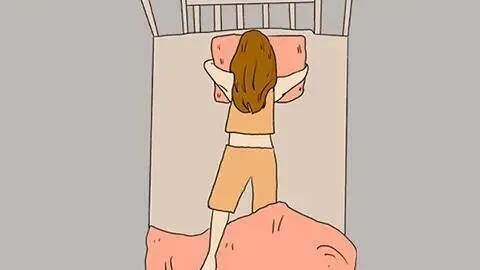
Lying down is a comfortable activity, yet many people overlook their spinal health, which is why some wake up feeling sore and achy. Certain poor sleeping postures are very detrimental to the spine, placing pressure on your neck, shoulders, hips, lower back, knees, and even heels, potentially causing pain in these areas. Sleeping on your stomach is arguably the biggest culprit for back pain, so stomach sleepers need to be extra cautious.
Generally, sleeping face-down increases the inward curve of the lumbar spine, causing the spinal curvature to bend. This stretches back muscles forward, putting excessive, unnoticed pressure on them, which can easily lead to back pain over time. Moreover, when sleeping on the stomach, the neck is usually turned to one side, easily twisting the cervical spine as well. Therefore, stomach sleepers often experience neck and shoulder soreness upon waking.
The correct sleeping posture can help alleviate your back pain. Experts suggest: "You can use some small tricks to ease back pain and improve your sleep quality." For example:
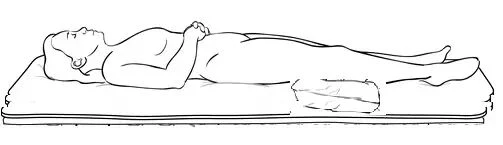
When sleeping on your back, place a pillow under your knees to maintain the natural curve of your spine.
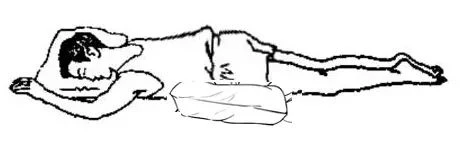
When sleeping on your stomach, place a pillow under your abdomen to reduce pressure on your back.
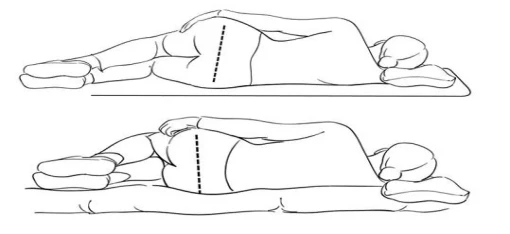
When sleeping on your side, bring your legs slightly towards your chest and place a pillow between your knees.
Additionally, people naturally turn over unconsciously during deep sleep. These small turns are beneficial as they help relieve pressure on the back. After all, maintaining any single posture for too long can exacerbate back pain. Regular daily exercise is also important.
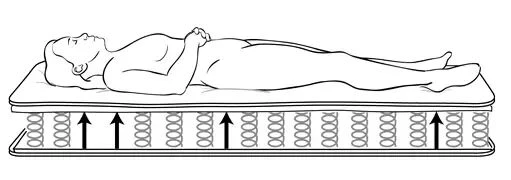
Do You Sleep on Your Back, Side, or Stomach?
Sleeping on your back or side puts less pressure on your spine compared to sleeping on your stomach. This is because your body weight is evenly distributed over the widest surface area of your body, reducing pressure points and ensuring your internal organs are aligned.
If you usually sleep on your back...
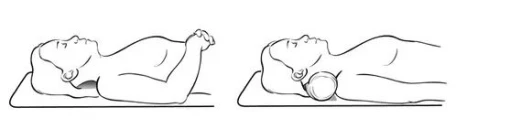
If you usually sleep on your back, placing a pillow under your knees can help maintain the normal curve of your lower back. You can also try placing a small, rolled towel under the curve of your neck to provide extra support for your back.
If you usually sleep on your side...
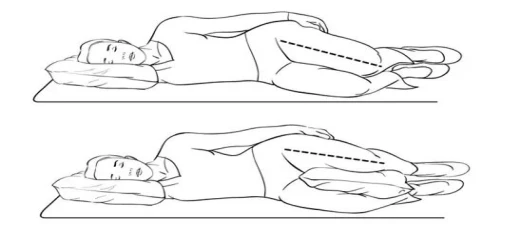
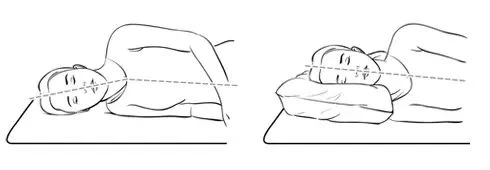
Side sleeping may lead to muscle imbalance and pain. If you are a side sleeper, draw your legs up slightly toward your chest and place a pillow between your knees (as shown above) to keep your hips, pelvis, and spine aligned. The pillow should also support your neck fully to provide stable support for your cervical spine.
Special Groups Can Choose Special Sleeping Positions
Choosing an appropriate sleeping position is not only relaxing and conducive to better sleep for special groups but can also aid in the treatment and recovery of certain conditions.
For Snorers and Those with Sleep Apnea: A side-lying position can improve snoring and sleep apnea issues. For some patients, side sleeping can effectively reduce snoring and lessen the frequency of apnea episodes.
For Those with Swollen Feet: Lying on your back with legs elevated can promote blood return from the lower limbs and improve foot swelling. It is recommended to place a couple of pillows under your feet to raise your legs.
After a Heavy Meal or for GERD Patients: Sleeping on the left side with the upper body slightly elevated can reduce the occurrence of gastroesophageal reflux. An elevated head position keeps the esophagus above the stomach, reducing acid reflux.
For Those with Lower Back Pain: Sleeping on your back on a firm mattress (with an appropriately thick topper) with soft pillows supporting your lumbar curve and under your knees can help relieve back pain and relax lower back muscles. Complementing this with the soothing warmth of a Thermal Jade Massage Bed before sleep can further ease deep muscle tension around the spine.
For Those with Cervical or Spinal Pain: Try to keep your head and neck in a natural, slightly extended position while sleeping. Lie flat on your back with your lower back supported, and keep your knees and hips slightly bent to maintain the natural curvature of your spine. Integrating gentle therapy from a Thermal Jade Massage Bed into your evening routine can provide comforting heat to these vulnerable areas, promoting relaxation and alignment.
Sleeping Posture Matters
Don't Take It Lightly.
Choose a Good "Bed"
And Have Sweet Dreams!