If these phenomena occur, it means that your body is severely dehydrated
Dec 04, 2025
Leave a message
Adequate water in the human body is closely related to many health problems. Some symptoms are exactly what your body is telling you: it's time to drink water; Some symptoms can be resolved by drinking water.
When the body is 1% dehydrated, a person will feel thirsty; when there is a water shortage of 2%, the work efficiency begins to decline; When water is deprived at 4%, people will feel fatigued, sluggish and emotionally uneasy, their tolerance to stress decreases, and they may even feel nauseous.

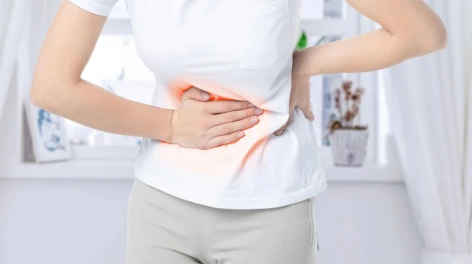
Indigestion occurs:
After food enters the mouth, digestive enzymes in saliva soften it during chewing. As food passes through the esophagus, stomach, and small intestine, carbohydrates are broken down into glucose, proteins into amino acids, fats into small fatty acids, and vitamins and minerals are dissolved in water to form that is easily absorbed by the body. When the body is dehydrated and causes garbage to accumulate in the body, our body will deal with this garbage like a disease, using all its energy to remove the garbage from the body without performing the daily cell regeneration work. Therefore, lack of water can cause many body organs, especially the digestive organs, lymphatic system, kidneys, etc., to lose their normal vitality, especially the digestive process that requires water from beginning to end. The process by which food dissolves, crushes, and disperses in water is called hydrolysis. It is also water that sends these broken down nutrients to cells. Water is also needed to convert absorbed nutrients into energy. So when the body is dry, digestion will naturally be affected. Conversely, excessive water intake can also affect digestion. Drinking water before or immediately after meals will dilute the digestive juices in the stomach, which can easily lead to stomach discomfort. Therefore, the habit of soaking rice or eating soup is not conducive to health. It is best to drink water before or within 0.5~1 hour after meals.
Constipation occurs:
After ingestion, the nutrients in the food are absorbed by the body, and the remaining residue is slowly compressed and moved to the large intestine. Food debris is slowly compressed and moved to the large intestine, where water acts as a lubricant, in other words, softens and facilitates excretion. To prevent the body from drying out, the last section of the small intestine and the large intestine are good at absorbing water. If there is not enough water in the body, the stool will become hard and round as it passes through the small and large intestines. And without lubricant, its movement will become slow. This led to the appearance of constipation. If stool accumulates in the body for too long, harmful gases such as carbon dioxide and biogas in the stool will be absorbed by the body, causing headaches, nausea, indigestion, loss of appetite and other problems. The longer the stool remains in the intestine, the longer carcinogens and waste in the body come into contact with the large intestine. If the large intestine is often in contact with carcinogens for a long time, colorectal cells are prone to mutation, leading to colorectal polyps or colonic diverticula, and even colorectal cancer in severe cases. People eat dietary fiber to improve constipation. However, if you don't drink water and eat dietary fiber, your stool will only become harder and harder, aggravating constipation. While consuming dietary fiber, you should also pay attention to drinking water. Drinking water and eating more soft fiber that is good at absorbing water is the most natural and easy way to solve constipation. But crude fiber can cause indigestion.
Body odor:
Removing toxins from the body is one of the functions of the skin. The skin is like a sieve with very thin sieve pores, and when water evaporates through these sieve holes, the waste in the body will be excreted along with the water. Waste emits an unpleasant odor, and lack of moisture will increase its concentration, exacerbating body odor. When detoxification organs such as the liver and kidneys are overloaded or excretory, the skin needs to work harder to flush out toxins, and as a result, skin rashes will appear.
Memory loss:
If there is not enough water in the blood, resulting in a lack of water in brain cells, the brain will not be able to get the oxygen and nutrients it needs, and brain cell function will decline. If brain cells do not receive enough water, their ability to recover and transmit information will decrease, and their memory will naturally decrease. More serious than this, blood circulation disorders will lead to poor water supply and gradual damage to brain cells without realizing it. Amnesia also occurs as a result.
Increased fat in the waist:
Lack of water in the body will not only reduce hormone capacity, but also easily lead to constipation. Chronic constipation can cause circulatory disorders in the abdomen and accumulate intra-abdominal fat, which will further lead to difficulty in excretion. This creates a vicious circle of poor circulation and increased fat in the abdominal cavity. Insufficient hormone secretion caused by dryness in the body can easily make people fat, especially the decrease in growth hormone and estrogen will increase waist fat. Lack of growth hormone will reduce muscle mass and increase belly fat, and the reduced muscle mass will reduce basal metabolic rate, putting a person in a vicious cycle of obesity.
A GOOD "CORE" FILTERS GOOD WATER MAKING IT PURER AND HEALTHIER
This alkaline water ionizer adopt advanced water purification technology to ensure safe drinking water all day long, and scientific and reasonable purification methods make water quality safer.