


How scary is scoliosis? If you read the whole article, you will know how to pay attention to it.
Sep 17, 2025
Leave a message
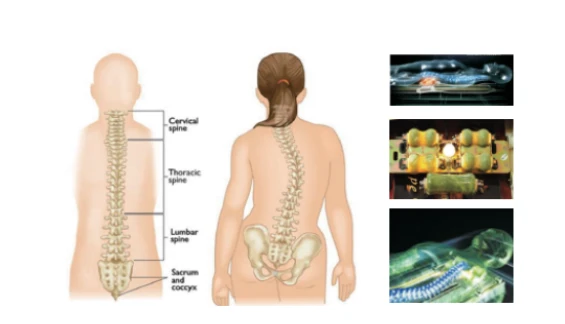
According to statistics from authoritative institutions, 10% to 15% of adults in our country suffer from cervical spine diseases, and more than 10% of adults suffer from spinal and lumbar and cervical spine diseases at the same time. With the rapid increase in economic development, the total number of cervical spine patients is expected to exceed 50 million, and is increasing at a rate of more than 3 million per year. The total number of patients with spine, lumbar and cervical spine diseases is close to 80 million and is increasing rapidly. Among them, there are more than 3 million scoliosis patients in our country, and the rate is increasing at a rate of 300,000 per year, and more than half of them are teenagers. Scoliosis has become the third "killer" of our country's children and adolescents' health after obesity and myopia, and the prevention and control situation is grim.
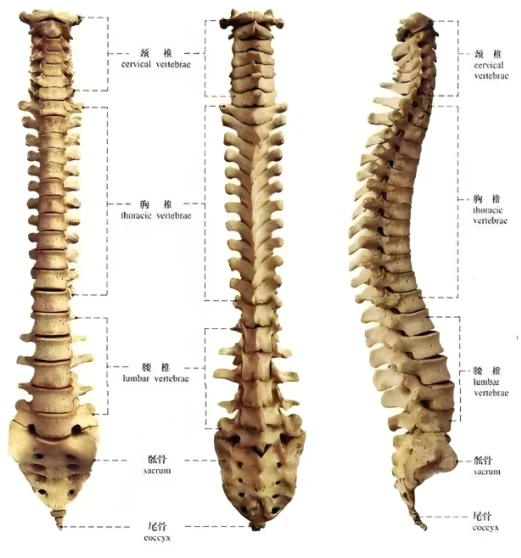
What are the dangers of scoliosis?
1.Affect the shape and function of the spine: Scoliosis causes abnormal forms such as spinal deformity, shoulder and back irregularities, thoracic deformity, pelvic tilt, long and short legs, and poor posture, and also affects functions such as mobility.
2.Affect physical health: Spinal deformity can easily lead to intractable pain in the shoulders, back, and waist, and in severe cases, even symptoms such as nerve damage, nerve compression, limb sensory disorders, numbness of the lower limbs, and abnormal urination and defecation.
3.Affect cardiopulmonary function: The autopsy results of patients with early-onset scoliosis show that the number of alveoli is lower than that of normal people, the alveoli are overinflated or atrophied, accumulate lobes or the whole lung, and the diameter of the pulmonary arteries is much lower than that of peers.
4. Affect the gastrointestinal system: Scoliosis reduces the volume of the abdominal cavity and disrupts the regulation of spinal nerves on internal organs, which in turn causes gastrointestinal system reactions such as loss of appetite and indigestion.

How do I know if I have scoliosis?
1.Stand relaxed and observe whether both eyes are on the same level. If the eyes are on the same level, it means that there is no torticollis in the cervical spine.
2.Stand with your back to each other, observe whether the shoulder lines on both sides are symmetrical. If the shoulder line is symmetrical, it means that there is no problem with the thoracic spine. If there is an obvious "one shoulder high, one shoulder low", it may be a manifestation of scoliosis.
3.Observe whether the waist line is symmetrical and whether the hip line connecting the buttocks and thighs is horizontal
● If the waist spine is scoliobic, the waist line at one end will increase and the other end will disappear.
● If there is a problem with the length of the human limbs, or if there is scoliosis, the gluteus medius muscle will be asymmetrical.
4.Lean forward slightly, hands naturally sag, lean forward slightly, hands naturally droop. If the red mark on the back is centered, it is normal, and if there is a side bend, then the side of the back will bulge significantly.