How important is water to us? After Reading the journey of water in the human body, you will understand
Aug 27, 2025
Leave a message
The path of water in the human body
After water enters the human body, it exists in the form of molecular clusters, which must pass through specific channels in the cell membrane to enter cells. Compared with water with a large molecular structure, water with a small molecular structure is more likely to enter human cells, participate in life metabolic activities, and bring various ions into the cell
How important is water to us?

01.The first station (One second) oral esophageal
Function: moisturizing. Take a sip of water, which is involved in the digestion process as soon as it enters the mouth. Water mixes with saliva secreted by the salivary glands to aid swallowing. Once swallowed, water passes through the esophagus into the stomach. The esophagus is a muscular tube that connects the mouth to the stomach. The muscles contract rhythmically, causing the esophagus to peristalsis, gradually pushing water and food into the stomach.
02.The second station (Five second) Lung
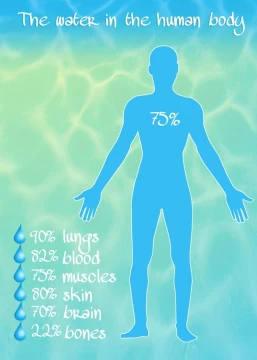
Function: moisturize. Drinking more water can nourish the lungs. Sufficient water can keep the tracheal mucosa moisturized, make people feel breathing smoothly, and the lack of water can easily make your body have dry cough, dry skin, dry mouth and other symptoms.
03.The third station (Ten second) Stomach
Function: dilutes, dissolves, relieves dry mouth, cough, dry skin and other symptoms. Water stays in the stomach for a short time, and unlike food, water does not need to be broken down further. Some of the water quickly enters the bloodstream through the stomach lining (so you will feel thirsty immediately after drinking water). The stomach also mixes water with gastric juices to dilute and transport nutrients. In addition, water can help you dilute the concentration of stomach contents, such as alcohol.
04.The fourth station (Six minutes) Intestinal
Function: stimulate the peristalsis of the intestine and promote bowel movements. Ensure the normal operation of intestinal bacteria. The main part of water absorption is the small intestine. Here, water from the small intestine is absorbed into the bloodstream through the intestinal wall. Absorption is achieved through the osmotic process. The osmosis process is very important for life, animals, plants, microorganisms cannot do without it. Water is a solution, and the substances in the solution are called solutes. Put the solution with less solute and the solution with more solute together, and separate it with an osmotic membrane, then the solution with less solute will pass through the permeable membrane and flow to the side with more solute until equilibrium. Drinking plenty of water stimulates intestinal motility and softens stool. In addition, a large amount of sufficient water can also ensure the health of the intestines and the normal operation of the flora, and carry out normal work.
05.The fifth station (entering the blood circulation in the 60 minutes) Blood
Function: follow the blood circulation into all parts of the body, playing a role in moisturizing, transporting, excreting and other functions. The nutrients needed by the body are circulated to various parts of the body with water. Water can also be excreted through the skin in the form of sweat, helping the body metabolize waste.
06.The sixth station (during blood circulation)Cerebrum
The function of the brain: transporting essential substances such as oxygen. When the human body is dehydrated, the nervous system is abnormally active in the process of adjusting the water ratio, and when it is reflected in the cranial nerves, they will stimulate the pain nerves.

07.The Seventh station (during blood circulation) Bone
Function: lubrication to reduce friction in the joints. During exercise, the fluid in the joint cavity ensures that the bones slide freely and smoothly, reducing frictional resistance and preventing damage to bones and joints.
08.The Eighth Station (blood circulation process) Cell
Function: transport nutrients and oxygen, maintain normal body temperature, and slim down. Water is like a postman, after sending nutrients into the cells, it can take out the garbage in the cells and hand them over to the kidneys for processing. Drinking more water when you have a cold and fever can promote the body to dissipate heat and help the patient restore normal body temperature.
09.The ninth station (60 minutes) Kidney
Function: filtration and excretion. The kidneys are a very important part. Blood carries waste products produced during cell metabolism to the kidneys, where they filter and remove excess water, waste, and electrolytes to form urine. It ensures that the body retains the necessary water and electrolytes, eliminates the rest, and ensures the stability of the environment in the human body.
10.The Ten Station (62 minutes) Bladder