


Difference between water purifier and water ionizer
Feb 17, 2025
Leave a message
In today's world, clean and healthy water is more important than ever. As concerns about water quality continue to grow, more people are turning to water treatment devices such as water purifiers and water ionizers. While both devices can improve water quality, they work differently and provide different benefits. The following introduction can help you understand the difference between water purifiers and water ionizers.

1. Water purifiers: mainly remove contaminants from water
Water purifiers are devices that provide clean water by removing impurities and contaminants from drinking water. These contaminants may include chlorine, heavy metals, bacteria, viruses, sediments, and harmful chemicals, all of which can pose health risks. There are many types of water purifiers, including activated carbon filters, reverse osmosis systems, and ultraviolet (UV) sterilizers.
Activated carbon filters: Commonly used to remove chlorine, odors, and organic compounds from water. Activated carbon is able to absorb impurities in water, thereby improving the taste and smell of water.
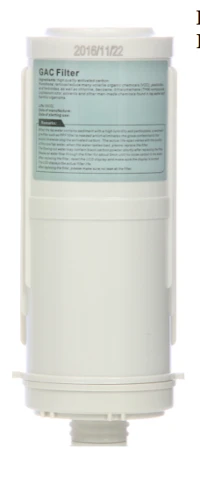
Reverse osmosis (RO): RO systems are known for their ability to remove a wide range of contaminants, including dissolved solids, heavy metals, and even salt. It filters water molecules out through a semi-permeable membrane, leaving behind contaminants.
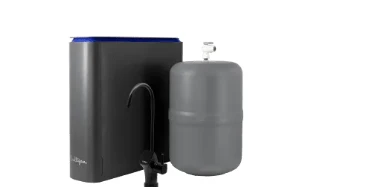
UV Sterilizer: UV light is able to kill bacteria, viruses and other microorganisms by destroying their DNA, making the water safe to drink.
The goal of a water purifier is to provide clean water, with a focus on filtering harmful substances from the water. However, it is important to note that water purifiers generally do not change the chemical composition or pH of the water - they simply remove harmful substances.
2. Water Ionizer: Mainly adjusts the pH of water and provides antioxidant substances
In contrast, a water ionizer is a device that adjusts the pH of water through electrolysis. The electrolysis process separates water into two streams - one is acidic water and the other is alkaline water. Generally, treated alkaline water is believed to have a variety of health benefits, such as improved hydration, detoxification and antioxidant properties.
Alkaline Water: The main feature of a water ionizer is its ability to increase the alkalinity of water, usually raising the pH of water to between 8 and 11. It helps neutralize acidic substances in the body, resulting in better health effects, such as increased energy levels and reduced inflammation.
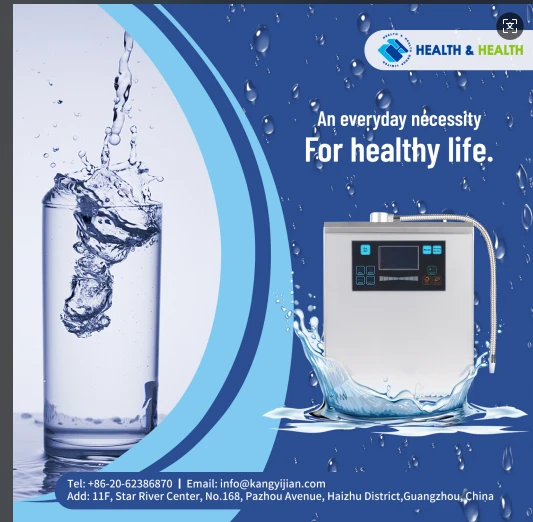
Antioxidant properties: The electrolysis process also creates negatively charged ions in the water. These ions are thought to have antioxidant properties and can help neutralize free radicals in the body, which can promote overall health.
3. The main difference between water purifiers and water ionizers
Function: The main difference between water purifiers and water ionizers is their core function. The goal of a water purifier is to remove contaminants and impurities from the water, making it safe to drink. The goal of a water ionizer is to adjust the pH of the water, generally making it more alkaline and potentially providing antioxidant properties.
Water quality improvement: Water purifiers focus on improving water quality, making it safe by removing harmful substances. Water ionizers focus on enhancing the potential health benefits of water by changing the chemistry of the water, particularly the pH.
Health benefits: Water purifiers provide basic protection by removing contaminants, but they do not provide the health benefits that water ionizers claim, such as improved hydration and detoxification. Water ionizers, while not fully scientifically validated for all of their health benefits, are thought to support health by increasing the alkalinity and antioxidant properties of water.
Price and Maintenance: Generally speaking, water ionizers are more expensive than basic water purifiers. Water ionizers also require regular maintenance, such as cleaning the electrolytic plates and replacing the filter cartridges. Water purifiers, especially those that use a simple filtration method, may require less maintenance.
4. Conclusion
In summary, although both water purifiers and water ionizers can improve water quality, they work in different ways and with different goals. The core function of a water purifier is to remove contaminants from water and ensure the safety of the water. Water ionizers, on the other hand, provide possible health benefits such as enhanced antioxidants and neutralization of acidic substances in the body by adjusting the pH level of water. Depending on your needs, you can choose one of these devices to meet your water quality requirements. If your main concern is the safety and cleanliness of the water, a water purifier is a must. If you are interested in the potential health benefits of alkaline water, a water ionizer may be worth considering.