

What is the heat - generating mechanism of an EMS sweating belt?
Dec 26, 2025
Leave a message
In the fitness and wellness market, EMS sweating belts have gained significant popularity as a tool for those looking to enhance their workout routines and potentially aid in weight loss. As a supplier of EMS Sweating Belt, I often receive inquiries about how these belts work, particularly their heat - generating mechanism. This blog post aims to provide a detailed and scientific explanation of the heat - generating mechanism of an EMS sweating belt.
Understanding the Basics of an EMS Sweating Belt
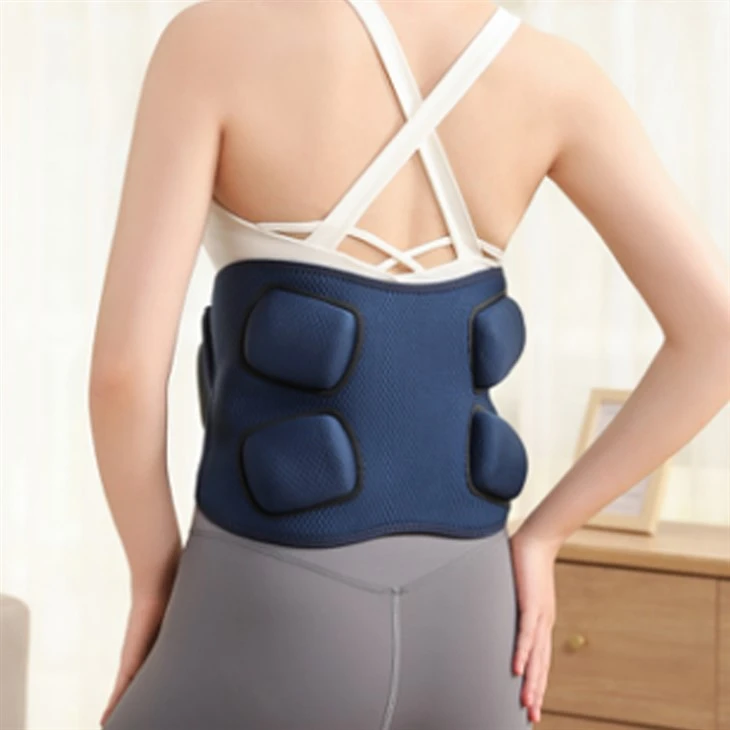
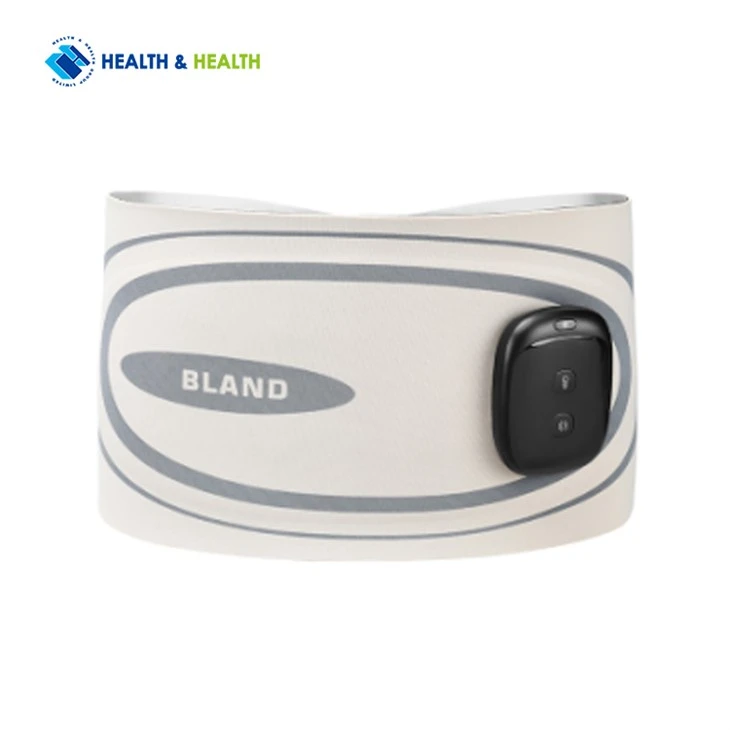
Before delving into the heat - generating mechanism, it's important to understand what an EMS sweating belt is. An EMS (Electrical Muscle Stimulation) sweating belt combines two main functions: electrical muscle stimulation and heat generation. The electrical stimulation aspect works by sending electrical impulses to the muscles, causing them to contract and relax. This mimics the natural muscle contractions that occur during exercise, helping to strengthen and tone the muscles.
The heat - generating function, on the other hand, plays a crucial role in enhancing the overall experience and potential benefits of using the belt. It can increase blood circulation, open up pores, and promote sweating, which is believed to help in detoxification and potentially contribute to weight loss.
The Heat - Generating Mechanisms
1. Resistive Heating
One of the most common heat - generating mechanisms in EMS sweating belts is resistive heating. This principle is based on Ohm's Law, which states that when an electric current (I) passes through a resistor (R), the power (P) dissipated as heat is given by the formula (P = I^{2}R).
In an EMS sweating belt, resistive heating elements are typically made of materials with high electrical resistance, such as carbon fiber or metallic alloys. These elements are integrated into the belt's structure. When an electric current is applied to these resistive elements, they convert electrical energy into heat energy.
For example, carbon fiber is a popular choice for resistive heating elements in EMS sweating belts due to its flexibility, durability, and relatively high electrical resistance. The carbon fiber is woven or printed onto a flexible substrate within the belt. When the belt is powered on, the electrical current flows through the carbon fiber, and as a result, heat is generated. The amount of heat produced can be controlled by adjusting the electrical current or the resistance of the heating element.
2. Far - Infrared Radiation
Another heat - generating mechanism used in some advanced EMS sweating belts is far - infrared radiation. Far - infrared rays are a type of electromagnetic radiation with wavelengths ranging from 3 to 1000 micrometers. These rays have unique properties that allow them to penetrate the skin and interact with molecules in the body.
In an EMS sweating belt with far - infrared radiation capabilities, special ceramic or mineral materials are used to emit far - infrared rays when heated. These materials are often incorporated into the heating elements or the surface of the belt. When the belt is activated, the far - infrared rays are emitted, and they are absorbed by the body's tissues.
Once absorbed, the far - infrared rays cause the molecules in the body to vibrate, generating heat from within the body. This type of heating is different from traditional surface heating methods. It is believed to have several health benefits, such as improving blood circulation, relieving muscle pain, and promoting metabolism.
The Benefits of Heat Generation in EMS Sweating Belts
1. Enhanced Blood Circulation
The heat generated by the EMS sweating belt causes the blood vessels in the area where the belt is worn to dilate. This dilation allows for increased blood flow to the muscles and tissues, delivering more oxygen and nutrients. Improved blood circulation can help reduce muscle fatigue during workouts and speed up the recovery process after exercise.
2. Sweating and Detoxification
As the body is heated by the belt, it activates the sweat glands, leading to sweating. Sweating is the body's natural way of regulating temperature, but it also plays a role in detoxification. Through sweating, the body can eliminate toxins, heavy metals, and other waste products. This can contribute to a cleaner and healthier internal environment.
3. Weight Loss Support
While an EMS sweating belt alone is not a magic solution for weight loss, the heat - generating function can potentially aid in the process. Sweating can lead to a temporary loss of water weight. Additionally, the increased blood circulation and muscle contractions caused by the belt can slightly boost the body's metabolic rate, helping to burn more calories over time. For more information on weight loss with such belts, you can check out our weight loss slimming belt.
Different Types of EMS Sweating Belts and Their Heat - Generating Features
1. Basic EMS Sweating Belts
These belts usually rely on simple resistive heating elements. They are often more affordable and suitable for those who are new to using EMS sweating belts. The heat output of basic belts is typically adjustable, allowing users to set the temperature according to their comfort level.
2. Advanced EMS Sweating Belts
Advanced belts may combine both resistive heating and far - infrared radiation technologies. They often come with more sophisticated control systems, allowing for precise adjustment of heat output and electrical stimulation intensity. For example, our EMS Nude Belt is an advanced model that offers a combination of these features, providing a more comprehensive fitness and wellness experience.
Factors Affecting the Heat - Generating Performance
1. Power Supply
The power supply of the EMS sweating belt determines the amount of electrical energy available for heat generation. A higher - power belt can generally produce more heat. However, it's important to ensure that the power supply is safe and regulated to prevent overheating.
2. Insulation
Proper insulation is crucial for maintaining the heat within the belt and preventing heat loss to the surrounding environment. High - quality insulation materials can improve the efficiency of the heat - generating mechanism, allowing the belt to reach and maintain the desired temperature more effectively.
3. Material Quality
The quality of the resistive heating elements and other components used in the belt can significantly affect its heat - generating performance. High - quality materials are more durable and have better electrical and thermal properties, ensuring consistent and reliable heat generation.
Conclusion
In conclusion, the heat - generating mechanism of an EMS sweating belt is a combination of resistive heating and, in some cases, far - infrared radiation. These mechanisms work together to provide a range of benefits, including enhanced blood circulation, sweating, and potential support for weight loss.
As a supplier of EMS sweating belts, we are committed to providing high - quality products that utilize the latest technologies to ensure optimal heat - generating performance. If you are interested in purchasing our EMS sweating belts or have any questions about their heat - generating mechanisms or other features, please feel free to contact us for procurement and further discussions. We look forward to serving you and helping you achieve your fitness and wellness goals.
References
- Guyton, A. C., & Hall, J. E. (2006). Textbook of Medical Physiology. Elsevier Saunders.
- Chang, H. C., & Lin, C. H. (2012). Effects of far - infrared radiation on human health. Journal of Biomedical Science and Engineering, 5(1), 1 - 10.