

Is frequency therapeutic regulated by the government?
Dec 26, 2025
Leave a message
Hey there! I'm a supplier in the frequency therapeutic industry, and I often get asked, "Is frequency therapeutic regulated by the government?" Well, let's dive right into this topic.
First off, frequency therapeutic devices come in all shapes and sizes. You've got stuff like the Soothly Neck Massager, which uses specific frequencies to help relax those tense neck muscles. Then there's the High Potential Therapy Device, which is designed to work on a different level, using high - potential frequencies. And of course, the Low - medium Frequency Therapeutic Device that's used for a variety of therapeutic purposes.
Now, when it comes to government regulation, it varies from country to country. In some places, the government takes a really hands - on approach. They want to make sure that these frequency therapeutic devices are safe for consumers. After all, if a device is supposed to help you feel better, it shouldn't end up causing more harm.
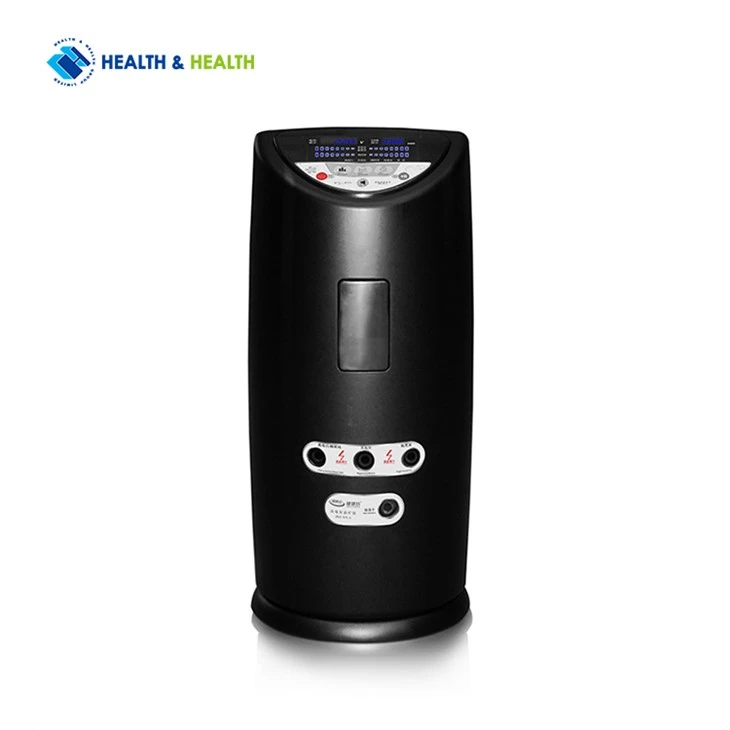
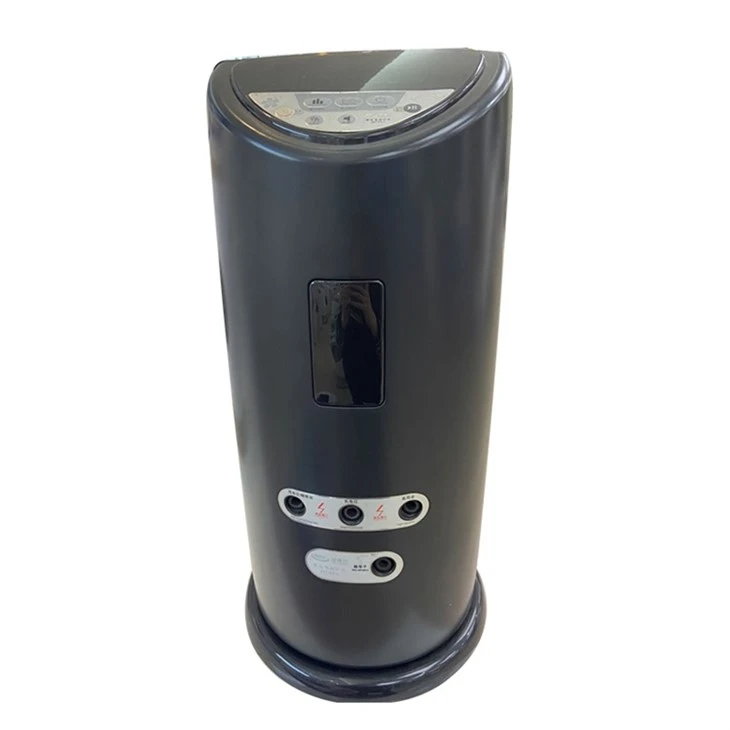
For example, in the United States, the Food and Drug Administration (FDA) plays a big role. The FDA has a classification system for medical devices, and many frequency therapeutic devices fall into this category. Devices are classified into different classes based on the level of risk they pose. Class I devices are generally considered to have the lowest risk, like some simple massage devices. These might just need to meet basic general controls, such as good manufacturing practices.
Class II devices are a bit more complex. They usually need to meet special controls in addition to the general controls. This could include things like performance standards or post - market surveillance. Many frequency therapeutic devices that claim to have specific therapeutic effects might fall into this class.
Class III devices are the ones with the highest risk. These are usually devices that are life - sustaining or life - supporting. For frequency therapeutic devices, if they claim to treat serious medical conditions, they're likely to be classified as Class III. And for these, the FDA requires pre - market approval, which means a lot of testing and data submission to prove safety and effectiveness.
In the European Union, the situation is also well - regulated. The Medical Device Regulation (MDR) sets the standards for medical devices, including frequency therapeutic ones. Manufacturers need to go through a conformity assessment procedure. This could involve self - certification for some low - risk devices, but for higher - risk ones, they need to involve a notified body. A notified body is an independent organization that checks if the device meets all the requirements of the regulation.
The reason for all these regulations is pretty straightforward. Frequency therapeutic devices are often used in the context of health and wellness. People use them to relieve pain, improve circulation, or deal with stress. So, the government wants to ensure that the claims made by these devices are legitimate. If a device says it can cure a certain disease, there should be scientific evidence to back it up.
But here's the thing. Sometimes, the regulatory environment can be a bit of a headache for us suppliers. There's a lot of paperwork and testing involved. It takes time and money to get a device approved. And different countries have different requirements, which means we might have to do multiple sets of tests and paperwork if we want to sell our products globally.
On the other hand, these regulations are also a good thing. They build trust in the market. When consumers see that a device has been approved by a government agency, they're more likely to believe in its safety and effectiveness. It also helps to weed out the bad players in the industry. There are always some companies that might try to make false claims or sell sub - standard products. Regulations make it harder for them to operate.
As a supplier, I've seen firsthand how important it is to work within the regulatory framework. We invest a lot of resources in research and development to make sure our products are not only effective but also meet all the safety standards. We conduct clinical trials, work with experts, and keep up - to - date with the latest regulatory changes.
For example, when we developed our Soothly Neck Massager, we made sure to test it thoroughly. We wanted to know exactly how it affected the neck muscles, what frequencies were most effective, and of course, if it was safe for long - term use. We submitted all the data to the relevant regulatory bodies and got the necessary approvals.
The same goes for our High Potential Therapy Device and Low - medium Frequency Therapeutic Device. We understand that our customers rely on these products for their well - being, and we take that responsibility seriously.
If you're in the market for frequency therapeutic devices, it's a good idea to look for products that are approved by a recognized government agency. This gives you an extra layer of assurance that you're getting a safe and effective product.
Now, if you're interested in purchasing our frequency therapeutic devices, whether it's the Soothly Neck Massager, the High Potential Therapy Device, or the Low - medium Frequency Therapeutic Device, we'd love to have a chat with you. We can discuss your specific needs, answer any questions you might have, and work out the best deal for you. So, don't hesitate to reach out if you're thinking about adding these great products to your inventory or using them for your own health and wellness.
References:
- U.S. Food and Drug Administration (FDA) - Information on medical device classification and regulation.
- European Union Medical Device Regulation (MDR) - Details on the regulatory framework for medical devices in the EU.