

What is the noise level of a massage belt?
Aug 12, 2025
Leave a message
As a dedicated supplier of massage belts, I've received numerous inquiries regarding the noise levels of these products. Noise is a crucial factor that can significantly impact the user experience, especially when it comes to relaxation and comfort. In this blog, I'll delve into the noise levels of massage belts, exploring what causes the noise, typical noise ranges, and how we ensure our products offer a quiet and peaceful massage experience.
What Causes Noise in Massage Belts?
To understand the noise levels, it's essential to first grasp what causes the noise in massage belts. Most massage belts operate using motors and mechanical components to generate the massage action. These moving parts can produce vibrations and friction, which in turn create sound.
- Motor Operation: The motor is the heart of a massage belt, responsible for powering the various massage functions such as kneading, rolling, and vibrating. As the motor spins, it can generate a humming or buzzing sound. The quality and design of the motor play a significant role in determining the noise level. High - quality motors are often engineered to operate more quietly, with better insulation and precision manufacturing to reduce vibrations.
- Mechanical Friction: Inside the massage belt, there are gears, rollers, and other mechanical parts that interact with each other. When these parts move, they can create friction, which produces noise. Over time, wear and tear on these components can also increase the noise level. For example, if the gears are not properly lubricated, they may grind against each other, resulting in a louder and more unpleasant sound.
- Vibration Transmission: Massage belts rely on vibrations to provide the massage effect. These vibrations can be transmitted through the belt's structure and into the surrounding environment, creating audible noise. The materials used in the construction of the belt can affect how well the vibrations are dampened. Belts made with soft, flexible materials are generally better at absorbing vibrations and reducing noise compared to those made with rigid materials.
Typical Noise Ranges of Massage Belts
The noise level of a massage belt is typically measured in decibels (dB). A lower decibel value indicates a quieter product. In general, the noise levels of massage belts can vary depending on the type of massage function, the power of the motor, and the quality of the construction.
- Quiet Massage Belts: High - end massage belts, especially those designed for home use, often have noise levels ranging from 30 dB to 50 dB. At this range, the noise is barely noticeable, similar to the sound of a whisper or the rustling of leaves. These belts are ideal for use in quiet environments such as bedrooms or offices, where a peaceful atmosphere is desired.
- Moderate Noise Massage Belts: Some mid - range massage belts may have noise levels between 50 dB and 60 dB. This is comparable to the sound of normal conversation. While the noise is more noticeable, it is still relatively low and should not be overly distracting during a massage session.
- Louder Massage Belts: Lower - quality or more powerful massage belts may produce noise levels above 60 dB. At this level, the noise can be a bit more intrusive, similar to the sound of a dishwasher or a busy street. However, these belts may still be suitable for use in less quiet environments or for users who are less sensitive to noise.
How We Ensure Quiet Operation in Our Massage Belts
As a supplier, we are committed to providing our customers with massage belts that offer a quiet and enjoyable massage experience. Here are some of the measures we take to ensure low noise levels in our products:
- High - Quality Motors: We source motors from reputable manufacturers known for their quiet operation. These motors are designed with advanced technology to minimize vibrations and noise. We also conduct thorough testing on the motors to ensure they meet our strict noise level standards before using them in our massage belts.
- Precision Engineering: Our engineering team pays close attention to the design and assembly of the mechanical components in our massage belts. We use high - precision manufacturing techniques to ensure that the gears, rollers, and other parts fit together perfectly, reducing friction and noise. Additionally, we use high - quality lubricants to keep the moving parts running smoothly and quietly.
- Vibration Dampening Materials: We incorporate vibration dampening materials into the construction of our massage belts. These materials help to absorb and dissipate the vibrations generated by the motor and mechanical components, reducing the amount of noise that is transmitted to the surrounding environment. For example, we use soft foam padding and rubber gaskets to isolate the moving parts and prevent vibrations from spreading.
The Impact of Noise on the User Experience
The noise level of a massage belt can have a significant impact on the user experience. A quiet massage belt allows users to fully relax and enjoy the massage without being distracted by unwanted noise. This is especially important for users who are using the massage belt for stress relief or to improve sleep quality.

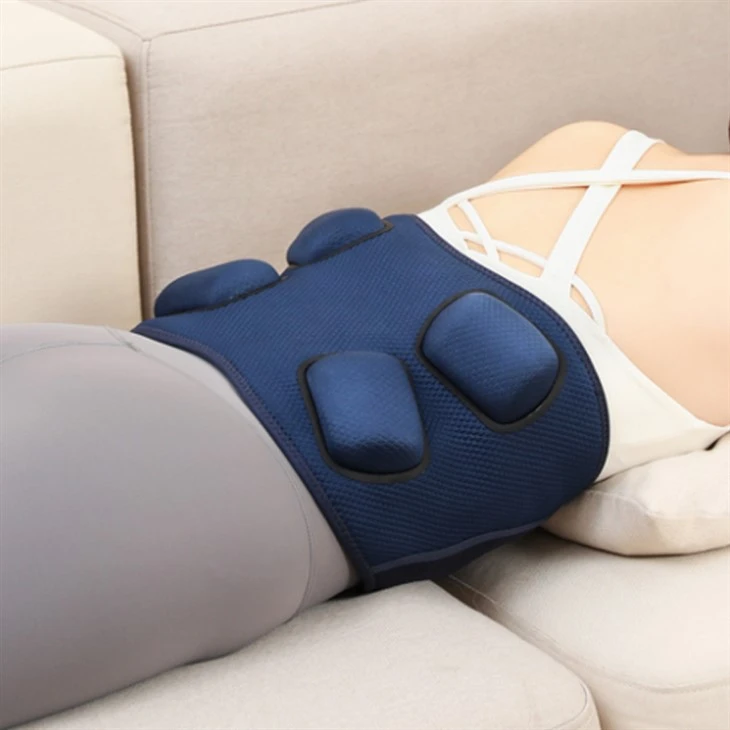
On the other hand, a noisy massage belt can be a major annoyance. It can disrupt the relaxation process, make it difficult to concentrate, and even cause discomfort. In some cases, excessive noise can even lead to users avoiding using the massage belt altogether.
Different Types of Massage Belts and Their Noise Characteristics
- weight loss slimming belt: These belts are often designed to help with weight loss and body shaping. They typically use gentle vibrations to stimulate the muscles and promote blood circulation. Due to their relatively low - power motors and simple mechanical design, they usually have lower noise levels, often in the 30 - 50 dB range.
- EMS Sweating Belt: EMS (Electrical Muscle Stimulation) sweating belts use electrical impulses to contract the muscles. The noise generated by these belts is mainly from the small electrical components and the fans used for ventilation. They generally have noise levels similar to the weight loss slimming belts, providing a quiet and comfortable experience.
- EMS Nude Belt: Similar to the EMS sweating belt, the EMS nude belt also uses electrical muscle stimulation. However, it may have a different design and power output, which can affect the noise level. Our EMS nude belts are engineered to operate quietly, ensuring that users can enjoy the benefits of EMS therapy without any disturbing noise.
Contact Us for Procurement and Negotiation
If you're interested in purchasing our high - quality, quiet massage belts, we'd love to hear from you. Whether you're a retailer looking to expand your product line or an individual interested in a personal massage belt, we can offer you competitive prices and excellent customer service. Please reach out to us to start the procurement negotiation process. We're confident that our massage belts will meet your needs and exceed your expectations in terms of both performance and noise level.
References
- “Handbook of Noise Measurement” by GenRad.
- “Engineering Noise Control: Theory and Practice” by L. L. Beranek and I. L. Ver.