

Is frequency therapeutic suitable for people with allergies?
Nov 20, 2025
Leave a message
Hey there! As a supplier of frequency therapeutic products, I often get asked if frequency therapy is suitable for people with allergies. It's a really important question, and I'm here to break it down for you in plain English.
First off, let's talk about what frequency therapy is. Frequency therapy uses different frequencies of electrical, magnetic, or sound waves to stimulate the body's natural healing processes. There are various types of frequency therapeutic devices out there, like the Low-medium Frequency Therapeutic Device, the Soothly Neck Massager, and the High Potential Therapy Device. These devices are designed to target specific areas of the body and promote relaxation, pain relief, and overall well - being.
Now, when it comes to people with allergies, the situation gets a bit more complicated. Allergies are basically the body's over - reaction to substances that are usually harmless, like pollen, dust mites, or certain foods. The immune system goes into overdrive and releases chemicals like histamine, which cause symptoms such as itching, sneezing, and swelling.
One of the main concerns for people with allergies is whether the materials used in frequency therapeutic devices could trigger an allergic reaction. Most modern frequency therapeutic devices are made with a variety of materials, including plastics, metals, and fabrics. For example, the casing of a device might be made of plastic, and the electrodes could be made of metal.
Some people are allergic to certain plastics or metals. For instance, nickel is a common allergen, and if a device has nickel - containing components, it could cause a skin reaction in someone with a nickel allergy. However, many manufacturers are aware of these issues and are taking steps to use hypoallergenic materials. When we produce our frequency therapeutic devices, we make sure to test the materials thoroughly to minimize the risk of allergic reactions.

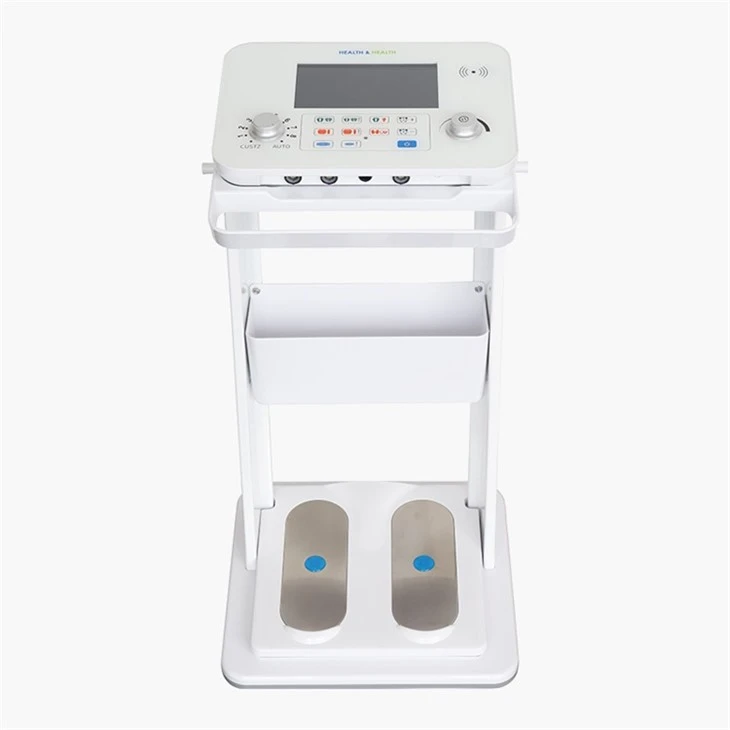
Another aspect to consider is the electromagnetic fields (EMFs) produced by frequency therapeutic devices. Some people claim to be sensitive to EMFs, experiencing symptoms like headaches, fatigue, and dizziness. However, the scientific evidence for "electromagnetic hypersensitivity" is still inconclusive. Most studies have found that the levels of EMFs produced by frequency therapeutic devices are well within the safety limits set by international standards.
But what about the potential benefits of frequency therapy for people with allergies? There's some evidence that frequency therapy could help regulate the immune system. By stimulating certain cells in the body, frequency therapy might be able to reduce the over - reactivity of the immune system that causes allergies. For example, low - frequency electrical stimulation has been shown to have anti - inflammatory effects in some studies. Inflammation is a key part of the allergic response, so reducing inflammation could potentially alleviate some allergy symptoms.
Let's take a look at the Low-medium Frequency Therapeutic Device. This device uses low - to medium - frequency electrical currents to stimulate the nerves and muscles. It can be used for pain relief, muscle relaxation, and improving blood circulation. For people with allergies, improved blood circulation could help the body better distribute immune - related cells and remove toxins, which might have a positive impact on the overall allergic response.
The Soothly Neck Massager is another interesting product. It uses frequency therapy to provide a gentle massage to the neck area. Stress can exacerbate allergy symptoms, and by reducing stress through relaxation, this massager could indirectly help people with allergies. When you're stressed, your body releases hormones like cortisol, which can weaken the immune system and make allergy symptoms worse.
The High Potential Therapy Device works by creating a high - voltage, low - current electrical field around the body. Some people believe that this can help improve the body's energy balance and enhance the immune system. While more research is needed in this area, it's an area of potential interest for people with allergies.
Before using any frequency therapeutic device, it's always a good idea for people with allergies to consult their doctor. A doctor can assess their specific allergy situation and give personalized advice. They might also be able to recommend specific devices or brands that are less likely to cause problems.
If you're considering using a frequency therapeutic device and you have allergies, here are some tips:
- Read the product labels carefully. Look for information about the materials used and any allergen warnings.
- Do a patch test. If the device comes into contact with your skin, apply a small part of it to a small area of your skin (like the inside of your wrist) for a short period to see if there's any reaction.
- Start with short sessions. Begin using the device for a few minutes at a time and gradually increase the duration as your body gets used to it.
In conclusion, frequency therapy can potentially be suitable for people with allergies, but it's not a one - size - fits - all situation. The key is to be informed and take precautions. We, as a frequency therapeutic device supplier, are committed to providing high - quality, safe products. We understand the concerns of people with allergies and are constantly working to improve our products to meet their needs.
If you're interested in our frequency therapeutic products and have any questions about their suitability for people with allergies, or if you're just looking to explore the world of frequency therapy, we'd love to hear from you. Feel free to reach out to us for more information and to start a conversation about potential procurement. Whether you're a healthcare professional looking to add frequency therapy to your practice or an individual interested in self - care, we're here to assist you.
References
- World Health Organization. Electromagnetic fields and public health.
- American Academy of Allergy, Asthma & Immunology. Understanding allergies.
- Journal of Allergy and Clinical Immunology. Research on immune system regulation and frequency therapy.