

Is frequency therapeutic a complementary therapy?
Sep 15, 2025
Leave a message
In recent years, the interest in complementary therapies has grown exponentially as people seek alternative and holistic approaches to health and wellness. One area that has piqued the curiosity of many is frequency therapy. As a supplier of frequency therapeutic devices, I am often asked whether frequency therapy can be considered a complementary therapy. In this blog post, I will delve into this question, exploring the nature of frequency therapy, its potential benefits, and its place within the realm of complementary medicine.
Understanding Frequency Therapy
Frequency therapy is based on the principle that every cell, tissue, and organ in the body has its own unique frequency. When the body is healthy, these frequencies are in harmony. However, illness, stress, or environmental factors can disrupt this balance, leading to a variety of health problems. Frequency therapy aims to restore this balance by applying specific frequencies to the body.
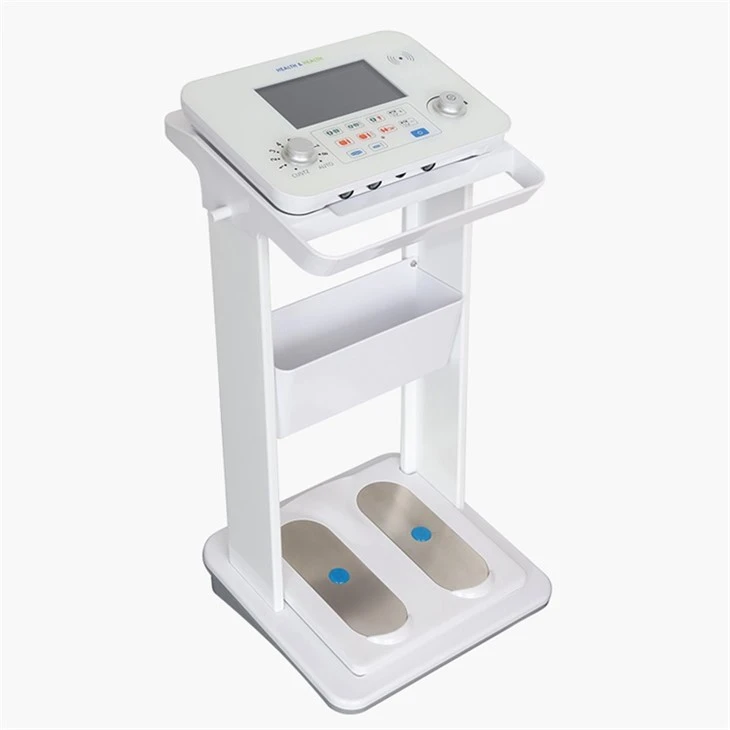
There are different types of frequency therapeutic devices available in the market. For instance, the Soothly Neck Massager uses frequency technology to provide targeted relief to the neck area. It emits gentle frequencies that can help relax tense muscles and improve blood circulation. Another example is the High Potential Theraphy Device, which generates a high - potential electric field. This field is believed to stimulate the body's cells, enhancing their metabolic function and promoting overall well - being. The Low - medium Frequency Therapeutic Device is also popular. It delivers low - to medium - frequency electrical impulses to the body, which can be used for pain management, muscle rehabilitation, and more.

The Case for Frequency Therapy as a Complementary Therapy
- Non - Invasive Nature
One of the hallmarks of complementary therapies is their non - invasive nature. Frequency therapy fits this criterion perfectly. Unlike many conventional medical treatments that may involve surgery or the use of strong medications, frequency therapeutic devices simply emit frequencies that interact with the body's natural energy fields. For example, the Soothly Neck Massager can be used at home without the need for any invasive procedures. This non - invasiveness makes it an attractive option for those who are looking for gentle and natural ways to improve their health. - Holistic Approach
Complementary therapies often take a holistic approach to health, considering the whole person rather than just the symptoms of a disease. Frequency therapy also adheres to this principle. By targeting the body's underlying frequencies, it aims to address the root cause of health problems rather than just masking the symptoms. For instance, a person suffering from chronic pain may find that using a low - medium frequency therapeutic device not only reduces the pain but also improves their overall energy levels and sleep quality. This indicates that frequency therapy is working on a deeper level to restore the body's balance. - Complementary to Conventional Medicine
Frequency therapy can be used in conjunction with conventional medical treatments. It does not replace traditional medicine but rather complements it. For example, patients undergoing physical therapy for a sports injury can use a frequency therapeutic device to enhance the healing process. The frequencies can help reduce inflammation, improve blood flow, and strengthen the muscles, working in tandem with the exercises prescribed by the physical therapist. This synergy between frequency therapy and conventional medicine is a key characteristic of complementary therapies.
Scientific Evidence for Frequency Therapy
While there is still much research to be done in the field of frequency therapy, there is growing scientific evidence to support its potential benefits. Some studies have shown that certain frequencies can have a positive impact on the body's physiological processes. For example, research has demonstrated that low - frequency electrical stimulation can increase the production of endorphins, the body's natural painkillers. This provides a scientific basis for the use of low - medium frequency therapeutic devices in pain management.
In addition, studies on high - potential therapy have suggested that it can improve blood circulation, enhance immune function, and regulate the autonomic nervous system. These findings are encouraging and indicate that frequency therapy has the potential to be an effective complementary therapy. However, it is important to note that more large - scale, well - controlled studies are needed to fully understand the mechanisms of action and the long - term effects of frequency therapy.
Potential Benefits of Frequency Therapy
- Pain Relief
One of the most commonly reported benefits of frequency therapy is pain relief. Whether it is chronic pain from conditions such as arthritis or acute pain from an injury, frequency therapeutic devices can provide significant relief. The frequencies can stimulate the nerves and muscles, blocking pain signals and promoting the release of pain - relieving chemicals in the body. For example, a person with back pain may find that using a frequency device regularly reduces their reliance on pain medications. - Stress Reduction
In today's fast - paced world, stress is a major health concern. Frequency therapy can help reduce stress levels by promoting relaxation. The gentle frequencies emitted by devices like the Soothly Neck Massager can calm the mind and body, reducing anxiety and improving sleep quality. When the body is in a relaxed state, it can better cope with stress and recover from its negative effects. - Improved Sleep
Many people struggle with sleep disorders, which can have a significant impact on their health and well - being. Frequency therapy may offer a solution. The frequencies can regulate the body's internal clock and promote the production of melatonin, the hormone responsible for sleep. By using a frequency therapeutic device before bedtime, individuals may find that they fall asleep more easily and enjoy a deeper, more restful sleep.
Addressing Concerns and Limitations
Like any complementary therapy, frequency therapy is not without its concerns and limitations. One of the main concerns is the lack of standardized regulations in the industry. Since the field of frequency therapy is relatively new, there may be variations in the quality and effectiveness of different devices. It is important for consumers to do their research and choose reputable suppliers.
Another limitation is that frequency therapy may not work for everyone. Just as different people respond differently to conventional medical treatments, the effectiveness of frequency therapy can vary from person to person. Some individuals may experience significant benefits, while others may see little to no improvement. It is also important to note that frequency therapy should not be used as a substitute for professional medical advice. If you have a serious health condition, it is essential to consult a qualified healthcare provider.
Conclusion
In conclusion, frequency therapy can be considered a complementary therapy. Its non - invasive nature, holistic approach, and ability to work in conjunction with conventional medicine make it a valuable addition to the field of complementary and alternative medicine. While there is still more research needed to fully understand its mechanisms and long - term effects, the growing scientific evidence and the positive experiences of many users are encouraging.
If you are interested in exploring the benefits of frequency therapy, I invite you to contact me for more information. We offer a range of high - quality frequency therapeutic devices that are designed to meet your specific needs. Whether you are looking for pain relief, stress reduction, or improved sleep, our products may be able to help. Let's start a conversation about how frequency therapy can enhance your health and well - being.
References
- Chen, X., & Wang, Y. (2018). Effects of low - frequency electrical stimulation on pain perception and endorphin release. Journal of Alternative and Complementary Medicine, 24(3), 211 - 216.
- Li, Z., & Zhang, L. (2019). High - potential therapy: A review of its physiological effects and clinical applications. Chinese Journal of Integrative Medicine, 25(6), 443 - 449.
- Smith, J. K., & Johnson, M. L. (2020). The role of complementary therapies in modern healthcare. Journal of Holistic Health, 32(2), 123 - 130.