

How to choose the right moxa stick for moxibustion?
Oct 02, 2025
Leave a message
Moxibustion, an ancient traditional Chinese therapy, has gained increasing popularity worldwide due to its numerous health benefits. Central to this therapy is the moxa stick, a key tool that, when used correctly, can enhance the effectiveness of moxibustion. As a moxibustion supplier, I understand the importance of choosing the right moxa stick. In this blog, I'll share some insights on how to make that crucial decision.
Understanding Moxa Material
The primary material used in moxa sticks is mugwort, or Artemisia argyi. The quality of mugwort significantly impacts the efficacy of moxa sticks. High - quality mugwort is typically harvested at the right time. Usually, mugwort harvested in the fifth lunar month is considered the best as it contains a higher concentration of essential oils and active ingredients.
When evaluating the mugwort in a moxa stick, look for a natural, earthy smell. If the moxa stick has a pungent or unpleasant odor, it may indicate poor - quality mugwort or the use of additives. Additionally, high - quality mugwort should have a fine texture. Coarse or fibrous moxa may burn unevenly and produce less effective heat.
Moxa Stick Purity
Purity is another critical factor. Pure moxa sticks are made solely from mugwort without any added chemicals or fillers. Some low - quality moxa sticks may contain sawdust or other substances to reduce costs. These additives can not only affect the burning quality but also release harmful substances when burned.
To ensure purity, it's advisable to choose moxa sticks from a reputable supplier. Reputable suppliers often provide detailed product information, including the origin of the mugwort and the manufacturing process. Look for certifications such as organic or natural product labels, which can be an indication of high - quality and pure moxa sticks.
Moxa Stick Proportion
The proportion of mugwort in a moxa stick is often expressed as a ratio, such as 10:1, 20:1, or 30:1. This ratio represents the amount of raw mugwort needed to produce one part of refined moxa. For example, a 20:1 moxa stick means that 20 parts of raw mugwort are processed to make one part of moxa.
Higher - ratio moxa sticks are generally considered better. They are made from more refined mugwort, which burns more evenly, produces less smoke, and generates a more gentle and penetrating heat. However, they are also more expensive. Lower - ratio moxa sticks may be more suitable for beginners or for those on a budget, but they may burn less evenly and produce more smoke.
Moxa Stick Size
Moxa sticks come in various sizes, typically ranging from thin sticks of about 18mm in diameter to thicker ones of 30mm or more. The size of the moxa stick you choose depends on your specific needs and the area of the body you plan to treat.
Thinner moxa sticks are more suitable for treating smaller areas or for more precise acupoints. They are also easier to handle and control. Thicker moxa sticks, on the other hand, are better for treating larger areas of the body, such as the back or abdomen. They can generate more heat and have a stronger effect, but they may be more difficult to handle.
Burning Quality
The burning quality of a moxa stick is essential for a successful moxibustion session. A good moxa stick should burn evenly and steadily. It should not go out easily and should produce a consistent heat.
To test the burning quality, you can light a small piece of the moxa stick. Observe how it burns. If it burns too quickly or too slowly, or if it produces a lot of sparks or uneven flames, it may not be a high - quality moxa stick. Additionally, pay attention to the amount of smoke it produces. Excessive smoke can be a sign of low - quality mugwort or the presence of additives.
Compatibility with Moxibustion Tools
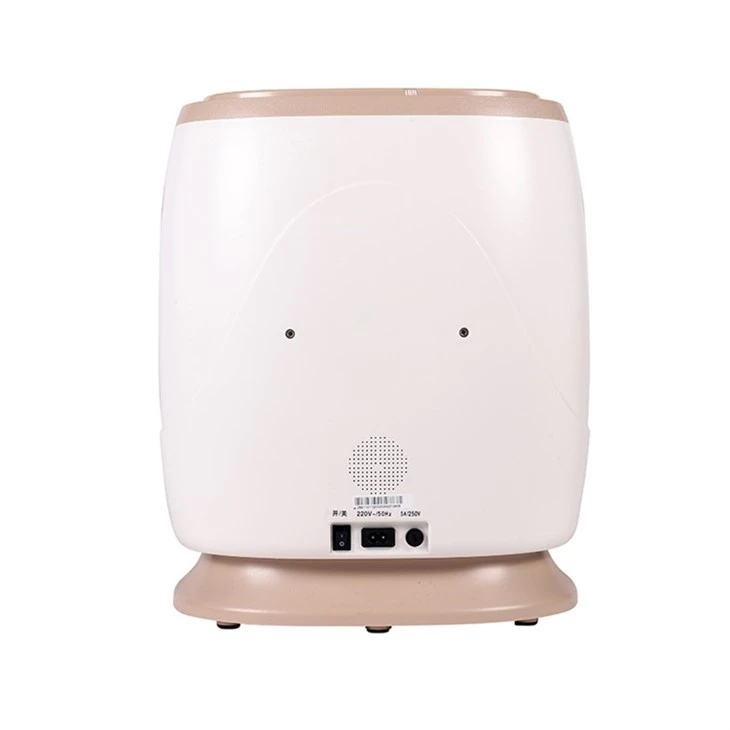
If you plan to use moxa sticks with other moxibustion tools, such as the Moxibustion Chair or the Smokeness Electric Moxibustion Device, make sure the moxa sticks are compatible. Some tools are designed for specific sizes or types of moxa sticks. Using incompatible moxa sticks may not only affect the performance of the tool but also pose a safety risk.
Cost - Effectiveness
While it's important to choose high - quality moxa sticks, cost - effectiveness also needs to be considered. High - end moxa sticks with a high proportion and purity can be quite expensive. However, if you use moxibustion regularly, investing in better - quality moxa sticks may be more cost - effective in the long run as they are more efficient and produce better results.
On the other hand, if you are just starting with moxibustion or using it occasionally, you may opt for more affordable moxa sticks. Just make sure to balance cost with quality to ensure a safe and effective moxibustion experience.
Supplier Reputation
As a moxibustion supplier myself, I know that the reputation of the supplier is crucial. A reliable supplier should have a good track record of providing high - quality products, excellent customer service, and accurate product information.
You can check online reviews and testimonials from other customers to get an idea of the supplier's reputation. Additionally, a good supplier should be able to answer your questions about the moxa sticks, such as their origin, manufacturing process, and storage requirements.

Conclusion
Choosing the right moxa stick for moxibustion is a multi - faceted decision. It involves considering factors such as the quality of the mugwort, purity, proportion, size, burning quality, compatibility with tools, cost - effectiveness, and the reputation of the supplier. By taking the time to evaluate these factors, you can select moxa sticks that will provide the best results for your moxibustion practice.
If you are interested in purchasing high - quality moxa sticks or have any questions about moxibustion products, feel free to contact us for a detailed discussion and procurement negotiation. We are committed to providing you with the best moxibustion solutions to meet your needs.
References
- Bensky, D., & Gamble, A. (1993). Chinese Herbal Medicine: Materia Medica. Eastland Press.
- Chen, J. K., & Chen, T. T. Y. (2004). Chinese Medical Herbology and Pharmacology. Art of Medicine Press.
- Maciocia, G. (1989). The Foundations of Chinese Medicine: A Comprehensive Text for Acupuncturists and Herbalists. Churchill Livingstone.