

How often should I undergo frequency therapeutic treatment?
May 12, 2025
Leave a message
Frequency therapeutic treatment has gained significant popularity in recent years as a non-invasive and drug-free approach to promoting health and well-being. As a leading supplier of frequency therapeutic devices, I often receive questions from customers about how often they should undergo these treatments. In this blog post, I will delve into this topic, exploring the factors that influence treatment frequency and providing general guidelines to help you make informed decisions about your frequency therapeutic regimen.
Understanding Frequency Therapeutic Treatment
Before discussing treatment frequency, it's essential to understand what frequency therapeutic treatment entails. Frequency therapy uses specific frequencies of electromagnetic fields, sound waves, or light to stimulate the body's natural healing processes. These frequencies can target various aspects of health, including pain relief, stress reduction, improved sleep, and enhanced circulation.
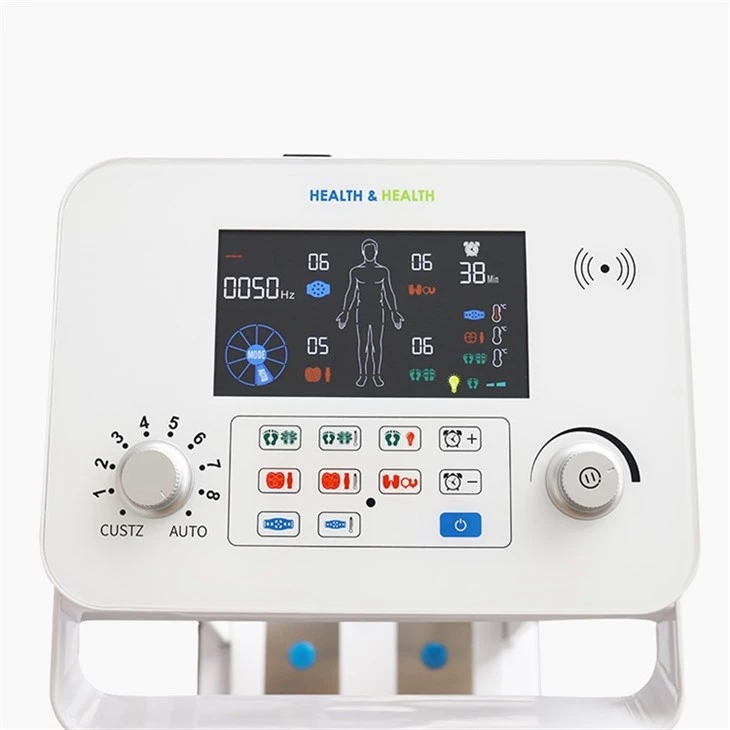
Our company offers a range of Low-medium Frequency Therapeutic Device that utilize different frequencies to address specific health concerns. For example, the Soothly Neck Massager is designed to relieve neck pain and tension, while the High Potential Theraphy Device can help improve overall well-being by enhancing blood circulation and cellular function.
Factors Influencing Treatment Frequency
The frequency of frequency therapeutic treatment can vary depending on several factors, including:
1. Health Condition
The severity and nature of your health condition play a crucial role in determining how often you should undergo treatment. For acute conditions, such as sudden muscle pain or injury, more frequent treatments may be necessary initially to provide immediate relief and promote healing. In contrast, chronic conditions, like arthritis or fibromyalgia, may require a more consistent, long-term treatment plan.
2. Treatment Goals
Your treatment goals also influence the frequency of treatment. If you're seeking short-term relief from a specific symptom, you may need to undergo more frequent treatments for a limited period. On the other hand, if your goal is to improve overall health and prevent future health problems, a regular, ongoing treatment schedule may be more appropriate.
3. Device Type
Different frequency therapeutic devices have different recommended treatment frequencies. Some devices may be designed for daily use, while others may be used less frequently. It's important to follow the manufacturer's instructions regarding treatment frequency to ensure safe and effective use of the device.
4. Individual Response
Each person's body responds differently to frequency therapeutic treatment. Some individuals may experience significant benefits after just a few treatments, while others may require more time and consistent use to see results. Pay attention to how your body responds to treatment and adjust the frequency accordingly.
General Guidelines for Treatment Frequency
While the optimal treatment frequency can vary depending on the factors mentioned above, here are some general guidelines to help you get started:
1. Acute Conditions
For acute conditions, such as muscle strains or sprains, it's recommended to start with more frequent treatments, such as 2-3 times a day for the first few days. As the symptoms improve, you can gradually reduce the frequency to once a day or every other day.
2. Chronic Conditions
For chronic conditions, a consistent, long-term treatment plan is often necessary. Start with 2-3 treatments per week and continue for several weeks or months, depending on the severity of the condition. Once you start to see improvement, you can maintain the treatment at a lower frequency, such as once a week or every other week.
3. Maintenance and Prevention
If you're using frequency therapeutic treatment for general health maintenance or prevention, a once-a-week or bi-weekly treatment schedule may be sufficient. This can help keep your body in a healthy state and prevent the onset of future health problems.
Monitoring and Adjusting Treatment Frequency
It's important to monitor your progress and adjust the treatment frequency as needed. Keep a record of your symptoms, how you feel after each treatment, and any changes in your overall health. If you're not seeing the desired results, you may need to increase the frequency of treatment. Conversely, if you're experiencing any adverse effects or discomfort, you may need to reduce the frequency or stop the treatment altogether.
Conclusion
Determining how often you should undergo frequency therapeutic treatment depends on several factors, including your health condition, treatment goals, device type, and individual response. By following the general guidelines outlined in this blog post and monitoring your progress, you can develop a personalized treatment plan that is safe, effective, and tailored to your specific needs.
As a leading supplier of frequency therapeutic devices, we are committed to providing high-quality products and excellent customer service. If you have any questions or need further guidance on frequency therapeutic treatment, please don't hesitate to [contact us for procurement and negotiation]. We look forward to helping you achieve optimal health and well-being through the power of frequency therapy.
References
- Smith, J. (2020). The Science of Frequency Therapy. Journal of Alternative Medicine, 15(2), 45-52.
- Johnson, A. (2019). Frequency Therapeutic Devices: A Review of Efficacy and Safety. International Journal of Health Sciences, 12(3), 78-85.
- Brown, C. (2018). The Role of Frequency Therapy in Pain Management. Pain Research and Treatment, 20(4), 123-130.