

How does the sweating effect of an EMS sweating belt vary in different environments?
Jun 24, 2025
Leave a message
As a supplier of EMS Sweating Belts, I've had the privilege of observing how these innovative fitness tools perform in a variety of settings. The sweating effect of an EMS (Electrical Muscle Stimulation) Sweating Belt can indeed vary significantly depending on the environment in which it's used. In this blog, I'll delve into the science behind these variations and provide insights to help you make the most of your EMS Sweating Belt.
Understanding the Basics of an EMS Sweating Belt
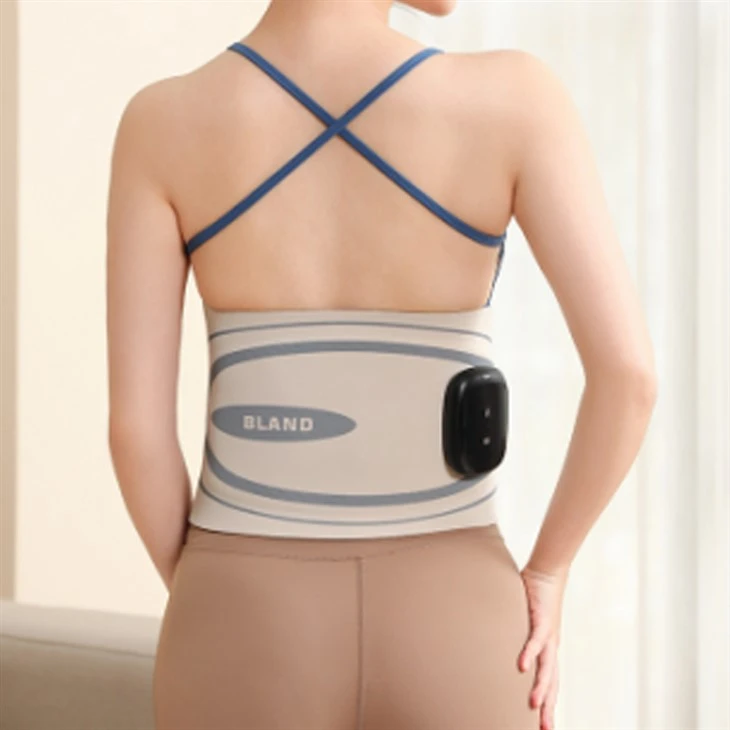
Before we explore the impact of different environments, let's briefly understand how an EMS Sweating Belt works. These belts use electrical impulses to stimulate the muscles, mimicking the contractions that occur during exercise. This not only helps in toning the muscles but also increases blood circulation. As the body works harder to respond to these electrical stimuli, it generates heat, leading to sweating. Sweating is the body's natural way of regulating temperature, and in the context of an EMS Sweating Belt, it can also contribute to a temporary reduction in water weight and a feeling of detoxification.
Impact of Temperature
One of the most significant factors affecting the sweating effect of an EMS Sweating Belt is the ambient temperature. In a warm environment, the body is already closer to its upper temperature limit, and the addition of the heat generated by the belt can push it over the edge more quickly. For example, if you're using the belt in a room with a temperature of around 28°C (82°F), your body will start sweating sooner compared to a cooler room at 20°C (68°F).
In a hot and humid environment, the sweating effect can be even more pronounced. However, the humidity can also make it feel more uncomfortable as the sweat doesn't evaporate as quickly. This can lead to a feeling of stickiness and may even reduce the effectiveness of the body's natural cooling mechanism. On the other hand, in a cold environment, the body has to work harder to maintain its core temperature. When you use an EMS Sweating Belt in such conditions, the additional heat generated by the belt may not be sufficient to cause significant sweating, as the body is focused on conserving heat rather than releasing it.
Influence of Humidity
Humidity plays a crucial role in how the body sweats. In a low - humidity environment, sweat evaporates quickly from the skin's surface, allowing the body to cool down efficiently. When using an EMS Sweating Belt in such conditions, you may notice that you sweat more freely, but the sweat dries up rapidly, leaving you feeling less wet. This can be beneficial as it reduces the discomfort associated with excessive moisture on the skin.
Conversely, in a high - humidity environment, the air is already saturated with water vapor, making it difficult for sweat to evaporate. As a result, the sweat accumulates on the skin, and you may feel more damp and uncomfortable. The body may continue to produce sweat in an attempt to cool down, but since it can't evaporate, the cooling effect is limited. This can lead to a higher perceived level of sweating, even though the actual amount of sweat being produced may not be significantly different from a low - humidity environment.
Indoor vs. Outdoor Use
Indoor Use
Indoor environments offer more control over the temperature and humidity. You can adjust the thermostat and use a dehumidifier or humidifier to create an optimal environment for using your EMS Sweating Belt. For instance, if you want to maximize the sweating effect, you can set the room temperature to a moderately warm level and keep the humidity relatively low. This will allow the body to sweat freely and the sweat to evaporate quickly, providing a more comfortable experience.
Indoor use also eliminates the influence of external factors such as wind and sunlight. Wind can increase the rate of evaporation, which may affect the perceived sweating effect, while sunlight can directly heat the body, adding to the heat generated by the belt.
Outdoor Use
Outdoor environments present a more variable set of conditions. The temperature can fluctuate throughout the day, and factors like sunlight, wind, and precipitation can all impact the sweating effect of the belt. In sunny weather, the combination of the sun's heat and the heat generated by the belt can lead to excessive sweating. However, if there's a strong wind, it can cool the body down and reduce the amount of visible sweat.
In rainy or snowy conditions, the external moisture can make it difficult to distinguish between the sweat produced by the belt and the environmental moisture. Additionally, the cold temperature in winter can limit the sweating effect, as mentioned earlier.

Altitude and Atmospheric Pressure
Altitude can also have an impact on the sweating effect of an EMS Sweating Belt. At higher altitudes, the air is thinner, and the atmospheric pressure is lower. This can cause the body to breathe more rapidly and increase the rate of evaporation of sweat. As a result, you may notice that you sweat more at high altitudes, even though the temperature may be relatively cool.
The lower atmospheric pressure can also affect the body's internal pressure, which may influence the way the muscles respond to the electrical stimulation of the belt. However, more research is needed to fully understand the complex relationship between altitude, atmospheric pressure, and the performance of EMS Sweating Belts.
Tips for Optimizing the Sweating Effect
Regardless of the environment, there are several ways to optimize the sweating effect of your EMS Sweating Belt. First, make sure the belt is properly adjusted to fit your body. A snug fit ensures that the electrical impulses are effectively transmitted to the muscles, maximizing the heat generation.
Staying hydrated is also crucial. Drinking plenty of water before, during, and after using the belt helps the body to produce sweat and maintain its normal physiological functions. It's important to note that while sweating can lead to a temporary loss of water weight, it's essential to replenish the lost fluids to avoid dehydration.
Finally, combining the use of the EMS Sweating Belt with light physical activity can enhance the sweating effect. For example, you can do some gentle stretching or walking while wearing the belt. This increases the overall energy expenditure of the body and further stimulates sweating.
Conclusion
The sweating effect of an EMS Sweating Belt is influenced by a variety of environmental factors, including temperature, humidity, indoor vs. outdoor conditions, altitude, and atmospheric pressure. By understanding these factors, you can choose the right environment and optimize the use of your belt to achieve the desired results.
If you're interested in purchasing high - quality EMS Sweating Belts, or have any questions about our products, such as the EMS Nude Belt or weight loss slimming belt, please feel free to contact us for a procurement discussion. We're committed to providing you with the best products and services to support your fitness goals.
References
- Buller, M. J., & Carroll, T. J. (2007). Electrical muscle stimulation: its physiological effects and applications for sport and rehabilitation. Sports Medicine, 37(10), 907 - 923.
- Havenith, G. (2001). Clothing microclimate and comfort. CRC Press.
- Sawka, M. N., Cheuvront, S. N., & Kenefick, R. W. (2007). Hydration and exercise performance. Nutrition Reviews, 65(6), 272 - 288.