

Can a water ionizer machine remove chlorine from water?
Dec 24, 2025
Leave a message
As a supplier of water ionizer machines, I often encounter questions from customers about the capabilities of these devices. One of the most common inquiries is whether a water ionizer machine can remove chlorine from water. In this blog post, I'll delve into this topic, exploring the science behind water ionizers and their effectiveness in dealing with chlorine.
Understanding Chlorine in Water
Chlorine is a widely used disinfectant in water treatment plants. It plays a crucial role in killing harmful bacteria, viruses, and other pathogens, making water safe for consumption. However, while chlorine is beneficial for public health at the treatment stage, it can have some drawbacks once the water reaches our homes.
Residual chlorine in tap water can affect the taste and odor of the water, making it less palatable. Additionally, some people may experience skin and eye irritation when exposed to chlorinated water during bathing or showering. Moreover, when chlorine reacts with organic matter in water, it can form potentially harmful by - products such as trihalomethanes (THMs), which are suspected carcinogens.
How Water Ionizer Machines Work
A water ionizer machine, like our Alkaline Water Machine BW - 6000, is designed to change the properties of water through a process called electrolysis. Inside the machine, there are electrodes that split the water into alkaline and acidic streams.
During electrolysis, water molecules (H₂O) are broken down into hydrogen ions (H⁺) and hydroxide ions (OH⁻). The separation of these ions creates two types of water: alkaline water, which is rich in hydroxide ions and has a higher pH value, and acidic water, which contains more hydrogen ions and has a lower pH.
Can Water Ionizer Machines Remove Chlorine?
The short answer is that water ionizer machines can reduce the amount of chlorine in water, but they may not completely remove it. Let's understand the mechanisms involved.
Chemical Reaction
Chlorine exists in water in different forms, mainly as free chlorine (Cl₂, HOCl, and OCl⁻). When water passes through a water ionizer, the electrolysis process can cause some chemical reactions with chlorine. For example, hypochlorous acid (HOCl), one of the common forms of free chlorine, can react with the hydrogen gas produced during electrolysis.
The reaction between hypochlorous acid and hydrogen gas can be represented as follows:
HOCl + H₂ → HCl + H₂O
This reaction converts hypochlorous acid into hydrochloric acid and water. Hydrochloric acid is a strong acid, but in the context of water treatment, it can be further neutralized during the ion - separation process in the water ionizer.
Physical Separation
In addition to chemical reactions, the physical separation of water into alkaline and acidic streams in a water ionizer can also contribute to chlorine reduction. Some of the chlorine may be concentrated in the acidic water stream, while the alkaline water stream has a lower chlorine content.
However, it's important to note that the reduction of chlorine by a water ionizer depends on several factors, including the initial chlorine concentration in the water, the flow rate of water through the machine, and the quality and design of the water ionizer.
If the initial chlorine concentration in the water is very high, a water ionizer may not be able to reduce it to an undetectable level. In such cases, it may be necessary to use additional water treatment methods, such as activated carbon filters, in combination with a water ionizer.
Factors Affecting Chlorine Reduction
- Initial Chlorine Concentration: As mentioned earlier, if the water has a high chlorine content to begin with, the water ionizer may not be able to completely remove it. Water treatment plants typically add chlorine in varying amounts depending on the source water quality and the treatment requirements. In some areas, the chlorine concentration in tap water can be relatively high, which poses a greater challenge for water ionizers.
- Flow Rate: The speed at which water passes through the water ionizer can also affect chlorine reduction. If the flow rate is too high, the water may not have enough time to undergo the necessary chemical reactions with the electrodes, resulting in less effective chlorine removal. On the other hand, a very low flow rate may not be practical for daily use.
- Electrode Quality and Design: The quality of the electrodes in the water ionizer is crucial. High - quality electrodes can ensure a more efficient electrolysis process, which in turn can lead to better chlorine reduction. Additionally, the design of the machine, such as the arrangement of the electrodes and the size of the electrolysis chamber, can also impact the performance.
Complementary Water Treatment Methods
To achieve a more comprehensive removal of chlorine from water, it is advisable to use a water ionizer in combination with other water treatment methods.
Activated Carbon Filters
Activated carbon filters are highly effective in removing chlorine from water. They work by adsorbing the chlorine molecules onto the surface of the carbon. The large surface area of activated carbon provides numerous sites for chlorine adsorption.
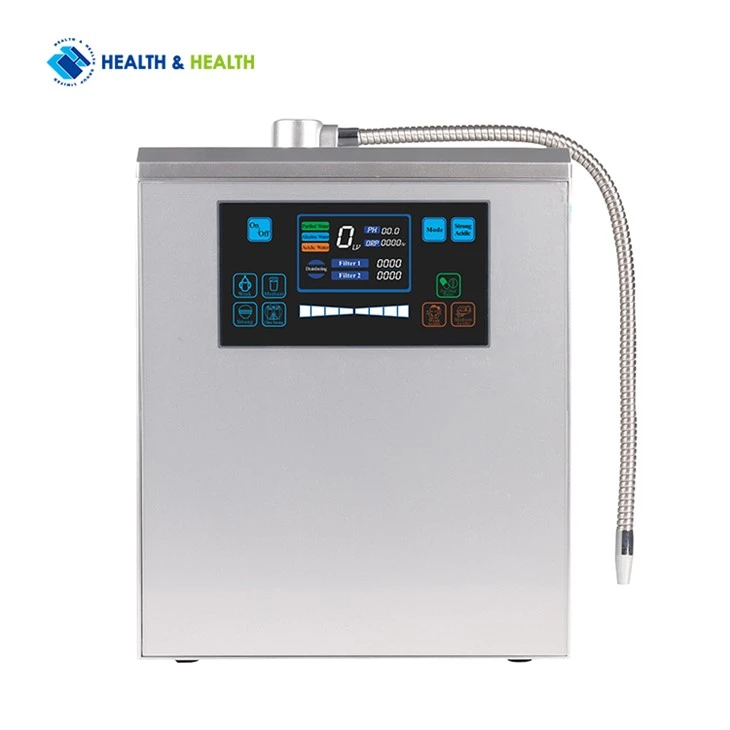
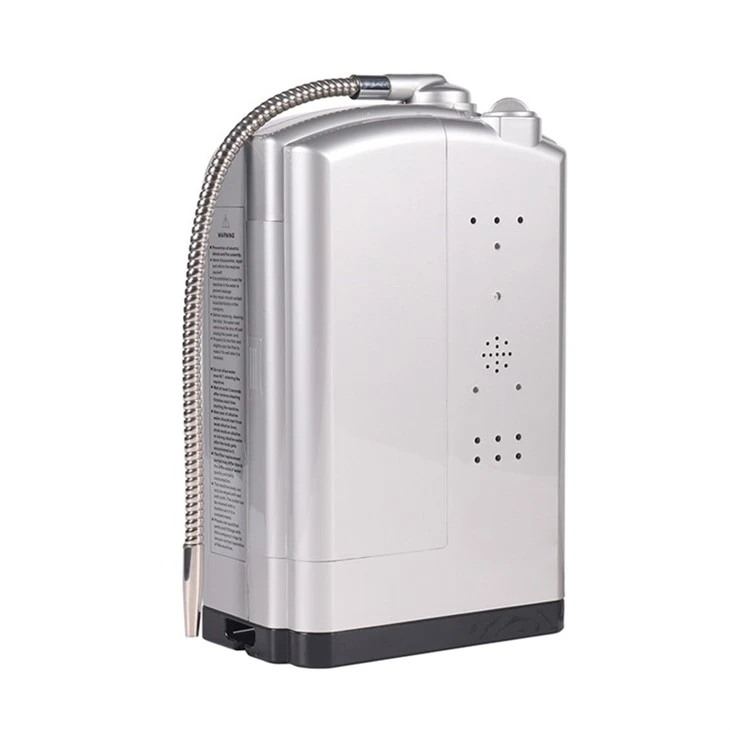
Many countertop water ionizer machines, like our countertop water ionizer machine, can be equipped with activated carbon pre - filters. These pre - filters can significantly reduce the chlorine content before the water enters the electrolysis chamber, allowing the water ionizer to focus on other functions such as adjusting the pH and creating alkaline water.
Reverse Osmosis Systems
Reverse osmosis (RO) systems are another option for removing chlorine and other contaminants from water. In an RO system, water is forced through a semi - permeable membrane under pressure, which filters out most of the impurities, including chlorine.
While RO systems are very effective in removing chlorine, they also remove many beneficial minerals from water. Combining an RO system with a water ionizer can be a good solution. The RO system can first remove chlorine and other contaminants, and then the water ionizer can add back some of the beneficial properties, such as alkalinity.
Benefits of Reducing Chlorine in Water
Even if a water ionizer can only partially reduce chlorine, there are still several benefits to using it in this regard.
- Improved Taste and Odor: Reducing the chlorine content in water can make it taste and smell better. Many people find that alkaline water produced by a water ionizer has a smoother and more refreshing taste compared to chlorinated tap water.
- Health Benefits: Minimizing exposure to chlorine and its by - products can be beneficial for health. As mentioned earlier, some of the by - products of chlorine reactions with organic matter in water are potentially harmful. By reducing chlorine levels, we can reduce the risk of exposure to these harmful substances.
- Skin and Hair Health: Chlorinated water can be harsh on the skin and hair, causing dryness, irritation, and damage. Using water with a lower chlorine content can help maintain the natural moisture and health of the skin and hair.
Conclusion
In conclusion, a water ionizer machine can reduce the amount of chlorine in water through chemical reactions and physical separation processes. However, it may not be able to completely remove chlorine, especially if the initial chlorine concentration is high.
To achieve optimal results, it is recommended to use a water ionizer in combination with other water treatment methods, such as activated carbon filters or reverse osmosis systems.
If you are interested in learning more about our water ionizer machines and how they can help you improve the quality of your water, please feel free to contact us for procurement and further discussions. We are committed to providing high - quality water ionizer solutions to meet your needs.
References
- "Water Treatment Principles and Design" by David W. Hendricks, et al.
- "Handbook of Water and Wastewater Treatment Plant Operations" by William C. Sawyer.
- "The Chemistry of Water Treatment" by David J. Williams.