

Can a water ionizer machine filter out contaminants?
Jun 25, 2025
Leave a message
Can a water ionizer machine filter out contaminants?
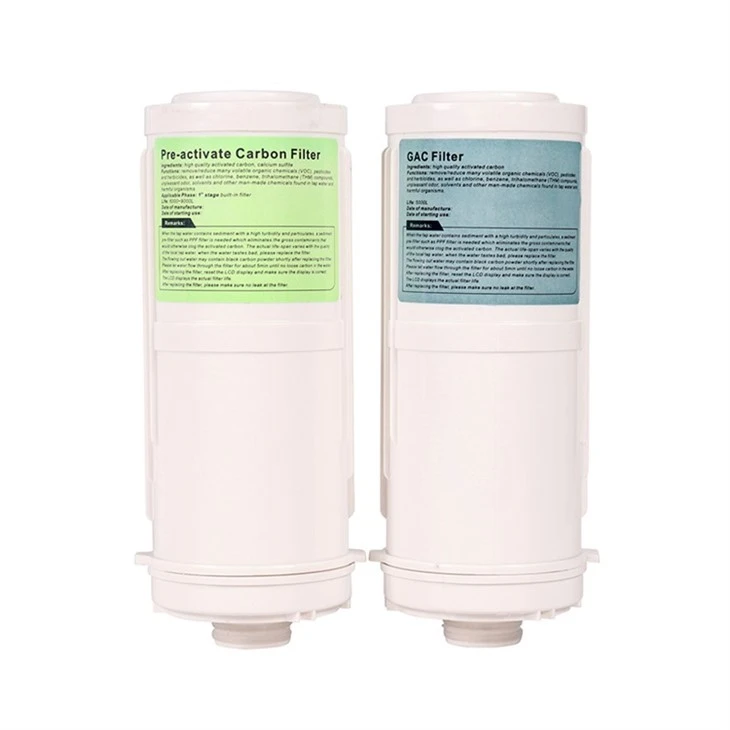
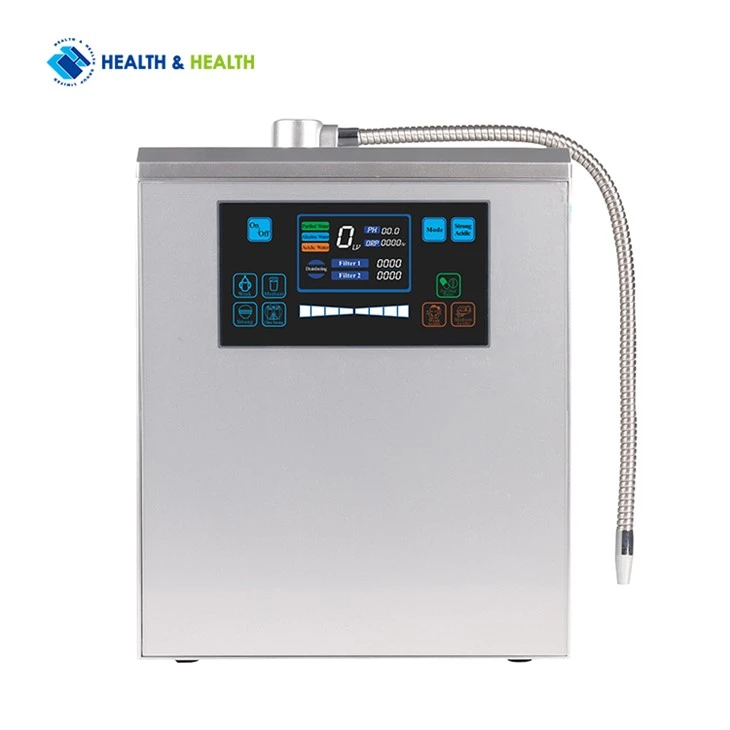
As a supplier of water ionizer machines, I often get asked whether these devices can effectively filter out contaminants from water. It's a valid question, considering the importance of clean and healthy water for our daily lives. In this blog post, I'll delve into the science behind water ionizer machines and their ability to remove contaminants.
First, let's understand what a water ionizer machine is. A water ionizer is a device that uses electrolysis to separate water into alkaline and acidic streams. The process involves passing an electric current through water that has been treated with minerals, typically calcium, magnesium, and potassium. This causes the water molecules to split into positive and negative ions, creating alkaline water on one side and acidic water on the other.
The main claim of water ionizer machines is that they can produce alkaline water, which is believed to have various health benefits. Alkaline water has a higher pH level than regular tap water, and some people believe it can help neutralize acid in the body, improve digestion, and boost energy levels. However, the focus of this discussion is on the machine's ability to filter out contaminants.
Contaminants in Water
Before we discuss how water ionizer machines handle contaminants, it's essential to understand what types of contaminants are commonly found in water. These can be broadly categorized into physical, chemical, and biological contaminants.
Physical contaminants include sediment, dirt, and rust particles. These are usually visible to the naked eye and can make water look cloudy or dirty. Chemical contaminants encompass heavy metals (such as lead, mercury, and arsenic), pesticides, fertilizers, and industrial chemicals. Biological contaminants, on the other hand, include bacteria, viruses, and parasites.
How Water Ionizer Machines Deal with Contaminants
Most water ionizer machines are equipped with multiple filtration stages to remove contaminants before the electrolysis process. These filters can vary in type and quality, depending on the model of the machine.
Carbon Filters: Many water ionizer machines use carbon filters as the first line of defense. Carbon filters are effective at removing chlorine, volatile organic compounds (VOCs), and some chemicals that can affect the taste and odor of water. Chlorine is commonly added to municipal water supplies to disinfect it, but it can also react with other substances in water to form harmful by - products. Carbon filters can adsorb chlorine and other organic contaminants, improving the overall quality of the water.
Ceramic Filters: Some water ionizers also incorporate ceramic filters. These filters have tiny pores that can trap physical contaminants such as sediment and dirt. Ceramic filters are often used in combination with other filters to provide a more comprehensive filtration solution.
Reverse Osmosis (RO) Filters: In more advanced water ionizer models, reverse osmosis filters may be used. RO filters are highly effective at removing a wide range of contaminants, including heavy metals, salts, and some biological contaminants. Reverse osmosis works by forcing water through a semi - permeable membrane, which allows water molecules to pass through while blocking larger contaminants.
However, it's important to note that not all water ionizer machines are created equal. Some lower - end models may have basic filtration systems that are only capable of removing a limited number of contaminants. On the other hand, high - end models, such as our Low price customized alkaline water machine BW - 6000, are designed with more advanced filtration technologies to provide a higher level of purification.
Limitations of Water Ionizer Machines in Filtering Contaminants
While water ionizer machines can be effective at removing many contaminants, they do have some limitations.
Biological Contaminants: Although some water ionizer machines with advanced filtration systems can reduce the presence of bacteria and viruses, they may not completely eliminate them. For example, in areas with high levels of biological contamination, additional disinfection methods such as boiling or using ultraviolet (UV) light may be required.
Heavy Metals: While reverse osmosis filters can remove a significant amount of heavy metals, the effectiveness may vary depending on the specific metal and the concentration in the water. Some heavy metals may require specialized filtration media or treatment processes to be completely removed.
The Role of Alkalinity in Contaminant Removal
It's also worth mentioning that the alkaline water produced by water ionizer machines may have some benefits in terms of contaminant removal. Alkaline water has a higher pH, which can help to precipitate certain metals and contaminants. For example, heavy metals such as lead and copper may form insoluble compounds at higher pH levels, making them easier to filter out.
Choosing the Right Water Ionizer Machine
When choosing a water ionizer machine, it's crucial to consider your specific water quality needs. If you live in an area with high levels of contaminants, you'll want to look for a machine with advanced filtration capabilities. Our countertop water ionizer machine is a great option for those who want a convenient and effective way to purify their water. It comes with multiple filtration stages and is designed to provide high - quality alkaline water.
In conclusion, water ionizer machines can play an important role in filtering out contaminants from water. However, their effectiveness depends on the quality of the filtration system and the specific contaminants present in the water. If you're looking for a reliable way to improve the quality of your drinking water, a water ionizer machine can be a great investment.
If you're interested in learning more about our water ionizer machines or have any questions about water purification, please feel free to reach out to us. We're here to help you make an informed decision and find the best solution for your needs. Whether you're a homeowner, a business owner, or a health enthusiast, we have the right water ionizer machine for you. Contact us today to start the procurement and negotiation process.
References
- American Water Works Association. (2019). Water Quality and Treatment: A Handbook of Community Water Supplies. McGraw - Hill.
- World Health Organization. (2017). Guidelines for Drinking - Water Quality. WHO.
- National Sanitation Foundation. (2020). Water Treatment Product Certification. NSF.