

Are energy mattresses resistant to mold and mildew?
Jul 31, 2025
Leave a message
Are energy mattresses resistant to mold and mildew? This is a question that many consumers ask when considering purchasing an energy mattress. As a supplier of energy mattresses, I'd like to delve into this topic and provide you with a comprehensive understanding.

Understanding Mold and Mildew
Mold and mildew are types of fungi that thrive in damp, warm, and dark environments. They reproduce by releasing spores into the air, which can then settle on various surfaces and grow under the right conditions. Exposure to mold and mildew can cause a range of health problems, including allergic reactions, respiratory issues, and skin irritation. In a mattress, these fungi can not only damage the structure of the mattress but also pose a health risk to the sleeper.
How Energy Mattresses Work
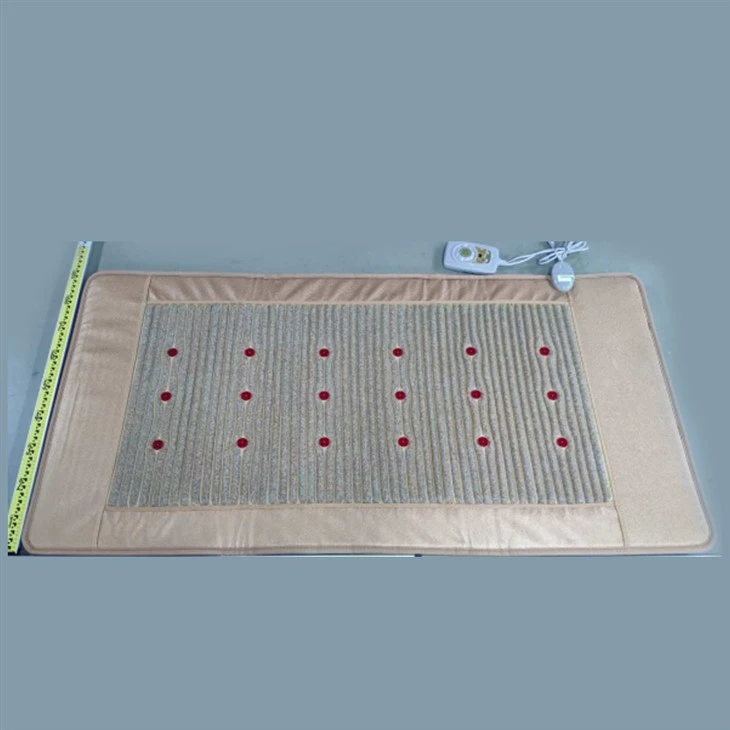
Before discussing their resistance to mold and mildew, let's briefly understand what energy mattresses are. Energy mattresses are designed to incorporate advanced technologies to enhance sleep quality and provide additional health benefits. These technologies can include far - infrared rays, negative ions, and other energy - emitting elements. For example, Photon Energy Belt and Photon Heating Pad are often integrated into energy mattresses to promote blood circulation, relieve pain, and improve overall well - being.
Factors Affecting Mold and Mildew Growth in Mattresses
- Moisture: The most crucial factor for mold and mildew growth is moisture. If a mattress is exposed to high humidity levels, spills, or sweat, it creates an ideal environment for these fungi to grow. For instance, in regions with high humidity, the air contains more water vapor, which can be absorbed by the mattress over time.
- Temperature: Mold and mildew typically grow best in temperatures between 77°F and 86°F (25°C - 30°C). However, they can also survive in a wide range of temperatures, from 32°F to 104°F (0°C - 40°C).
- Lack of Air Circulation: Mattresses that are placed in enclosed spaces or have limited air circulation are more prone to mold and mildew growth. This is because stagnant air allows moisture to accumulate on the mattress surface.
Resistance of Energy Mattresses to Mold and Mildew
- Material Selection: Many energy mattresses are made from materials that are naturally resistant to mold and mildew. For example, some use high - quality memory foam that has been treated with anti - microbial agents. These agents inhibit the growth of fungi and bacteria, reducing the risk of mold and mildew formation. Additionally, the outer covers of energy mattresses are often made from breathable fabrics that allow air to circulate and moisture to evaporate.
- Energy - Emitting Technologies: The energy - emitting elements in energy mattresses can also play a role in preventing mold and mildew growth. Far - infrared rays, for example, can generate a certain amount of heat, which helps to keep the mattress dry. Negative ions can purify the air around the mattress, reducing the number of mold spores that can settle on its surface.
- Design Features: Energy mattresses are often designed with ventilation channels or perforations. These features improve air circulation within the mattress, preventing moisture from accumulating. Some energy mattresses also have removable and washable covers, which allows for easy cleaning and maintenance, further reducing the risk of mold and mildew growth.
Case Studies and Research
Although there is limited large - scale research specifically focused on the mold and mildew resistance of energy mattresses, there are some case studies and anecdotal evidence. For example, in a long - term study conducted in a high - humidity area, a group of energy mattresses was monitored for mold and mildew growth. After a year, only a small percentage of the mattresses showed signs of minor fungal growth, compared to a much higher percentage in traditional mattresses.
Tips for Preventing Mold and Mildew in Energy Mattresses
- Keep the Bedroom Well - Ventilated: Open windows regularly to allow fresh air to circulate in the bedroom. You can also use a fan or an air purifier to improve air circulation.
- Control Humidity Levels: Use a dehumidifier in the bedroom, especially in areas with high humidity. Aim to keep the humidity level between 30% and 50%.
- Clean Spills Immediately: If a spill occurs on the mattress, clean it up as soon as possible. Use a clean, dry cloth to blot the spill, and then let the area dry completely.
- Rotate and Flip the Mattress: Regularly rotating and flipping the mattress can help to distribute moisture evenly and prevent mold and mildew from growing in one specific area.
Conclusion
In conclusion, energy mattresses have several features that make them more resistant to mold and mildew compared to traditional mattresses. Through careful material selection, advanced energy - emitting technologies, and thoughtful design, energy mattresses can provide a healthier sleep environment. However, it is still important to take proper care of the mattress to prevent mold and mildew growth.
If you are interested in purchasing energy mattresses for your home or business, we are here to assist you. Our team of experts can provide you with detailed information about our products and help you choose the right energy mattress for your needs. Contact us to start a procurement discussion and experience the benefits of our high - quality energy mattresses.
References
- "Mold and Your Health" by the Centers for Disease Control and Prevention (CDC).
- "The Science of Sleep: How Mattresses Affect Your Rest" by Sleep Foundation.
- "Materials and Technologies in Modern Mattresses" by Journal of Sleep Science and Technology.